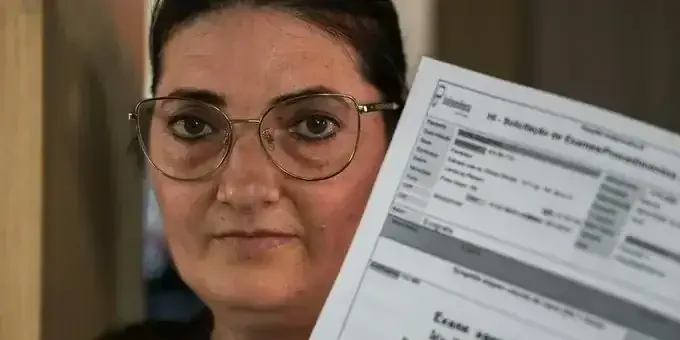
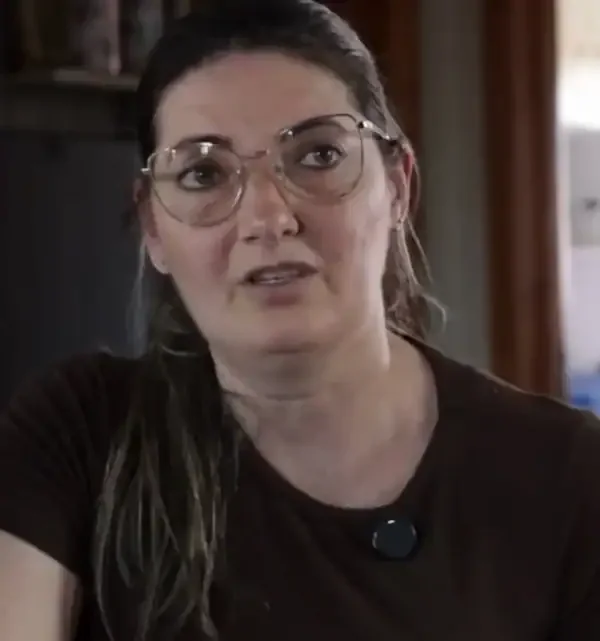
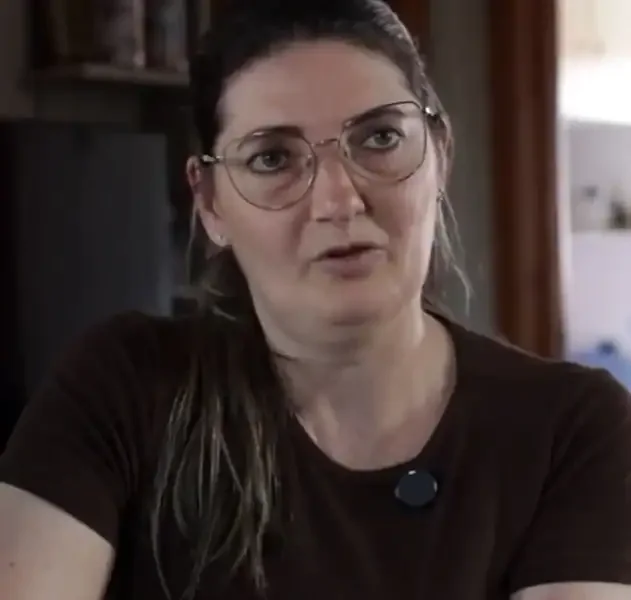

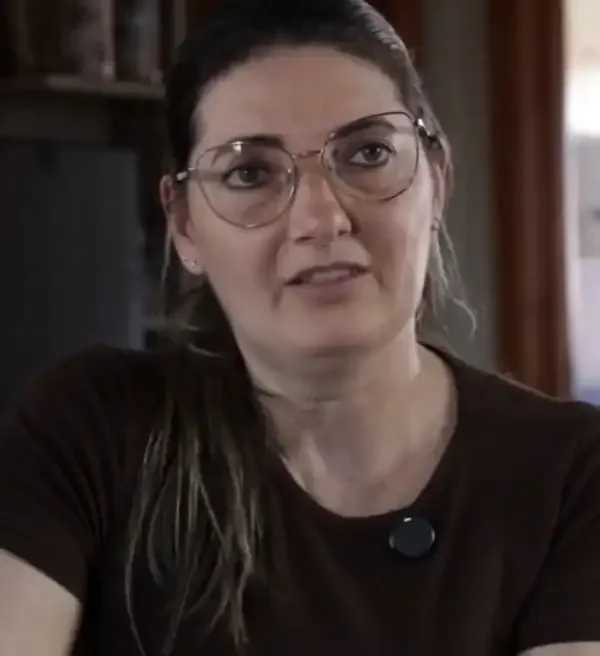
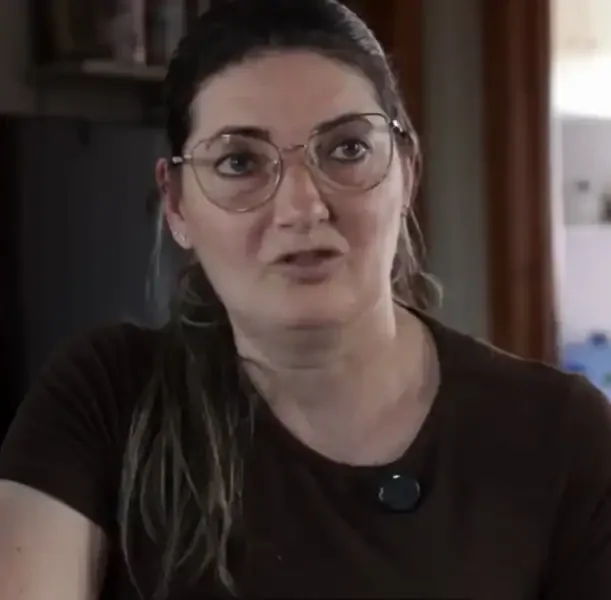
A 47-year-old woman in Porto Alegre, in Brazil’s southern state of Rio Grande do Sul, was given an estimated date of June 20, 2033, for medical tests through the country’s Unified Health System, known as SUS. Neide Baggattini, who works as a cleaner, is seeking care for pain caused by varicose veins. According to the newspaper Zero Hora, she questioned the long wait but was told there were no earlier dates available.
The tests requested for Baggattini include a blood test and a Doppler ultrasound, also called an ultrasound scan or, in Brazil, an ecografia. The date offered for the procedures is nearly seven years after her consultation with a specialist. The appointment for the tests is a separate step in her care from the vascular evaluation she had already received.
Baggattini said she challenged the scheduling attendant after being told the tests were not expected until 2033. “I said to her, the attendant who scheduled the tests: ‘Are you kidding me? Only in seven years?’ She said, ‘That’s right, the doctor’s schedule is very full and there’s only availability for 2033,’” Baggattini recalled.
She first sought care through SUS in September 2025. She then waited about 10 months before receiving a vascular evaluation, which took place in July 2026 at Hospital Independência in Porto Alegre. The later estimate for the tests means that, despite having had the specialist visit, she still faces an extended wait for the procedures requested as part of her evaluation.
After receiving the date, Baggattini asked whether the tests could be brought forward. An attendant reportedly said there was no availability on the schedule for an earlier date. A possible alternative was care through a mutirão, a coordinated effort to provide services to patients on waiting lists, but Baggattini was not given an estimate of when she might be called.
She said she cannot afford to pay for the procedures privately. Baggattini told the newspaper that she had considered seeing a private doctor but that a consultation would cost about $140. She said she also could not pay out of pocket for an ultrasound and the other tests. The approximate dollar amount is a conversion of the 700 Brazilian reais she cited, and its equivalent can vary with the exchange rate.
The Porto Alegre city government and Hospital Independência were contacted by Zero Hora for comment. They said they were working to reduce service queues. The report did not provide a more specific timeline for Baggattini’s tests or indicate whether her appointment had subsequently been moved.
The case illustrates the difference between a first specialist consultation and the diagnostic steps that may follow it. A referral or request for testing does not itself mean that a test has been completed; patients may need to wait for a separate appointment, depending on the available schedule. In Baggattini’s case, the sequence described in the report includes her initial request for care, a wait for a vascular evaluation, and then a much later estimated date for the requested tests.
A blood test and a Doppler ultrasound serve different purposes. A blood test involves analyzing a sample to provide information requested by a clinician. Doppler ultrasound uses sound waves to create images and assess the movement of blood through vessels. The report identifies both procedures as requested for Baggattini but does not specify the particular blood measurements or the exact clinical questions the doctor intended the ultrasound to address.
Varicose veins are enlarged veins, often visible near the surface of the skin. The report says Baggattini experiences pain associated with them and is seeking treatment. It does not describe the severity of her symptoms, the findings from her vascular evaluation, or a diagnosis beyond the reported varicose veins. The requested tests are part of the medical assessment described in the account; the article does not state what the results may show or what treatment, if any, has been recommended.
SUS is Brazil’s public health system, through which Baggattini sought this care. Her account concerns access to a particular evaluation and tests in Porto Alegre. The article does not provide information about waiting times for other patients, other medical services, or the system as a whole. The city government and hospital’s statement that they are working to reduce queues gives their general response, but no figures or details about those efforts were included in the report.
Waiting lists can involve multiple stages because a patient may need an initial assessment before a specialist visit, followed by tests or additional appointments. Each stage can have its own scheduling process. In this case, the reported wait of about 10 months was for the vascular evaluation, while the estimate of June 2033 applied to the blood test and Doppler ultrasound. Keeping those stages distinct is important: the 2033 date was not described as the date of Baggattini’s first consultation or as a new specialist appointment.
The possibility of a mutirão was raised when she asked about an earlier date, but the lack of a projected call date left the timing uncertain. Such a possibility, as described in the report, was not a confirmed appointment or a guarantee that her tests would take place before the date already provided. Baggattini therefore remained without a definite earlier schedule at the time of the account.
Her situation also highlights the financial difference between using the public system and seeking care privately. The reported consultation cost alone was beyond what she said she could pay, and she said the additional tests would also be unaffordable. The article does not give prices for those procedures, nor does it say that she completed any of them privately. Her stated financial constraint is why the public appointment date is central to the account.
The information was reported by Zero Hora and reproduced in the account about Baggattini. The central details are her age, occupation, symptoms, the timeline of her care, the requested tests, the estimated date in 2033, and the response that no earlier appointment was then available. Neither the report nor the responses described a confirmed change to that date. The city government and Hospital Independência said they were working to reduce waiting lists, while Baggattini’s specific wait for the tests remained unresolved in the information provided.