


Every country has characteristics that distinguish it from other nations, whether they involve the size of its territory, its natural landscapes, historic buildings, or the cultural and demographic features of its population. Some of these characteristics have also earned countries leading positions in particular categories and reveal facts that are not always widely known.
Some nations are known for preserving monuments built thousands of years ago, while others stand out for modern structures that reach hundreds of meters into the sky. Still others draw attention for biodiversity, distinctive landforms, or physical characteristics associated with their populations. The examples in this gallery range across architecture, geography, history, nature, and human characteristics.
Brazil, for example, contains most of the Amazon rainforest, described as the largest tropical forest in the world. Egypt is home to the Great Pyramid of Giza, the only one of the ancient world’s Seven Wonders still standing. Other countries are associated with exceptionally tall buildings, extensive deserts, or geographic features that give them a place in world-record lists. Together, these examples show how a country’s claim to distinction can be based on very different kinds of measures.
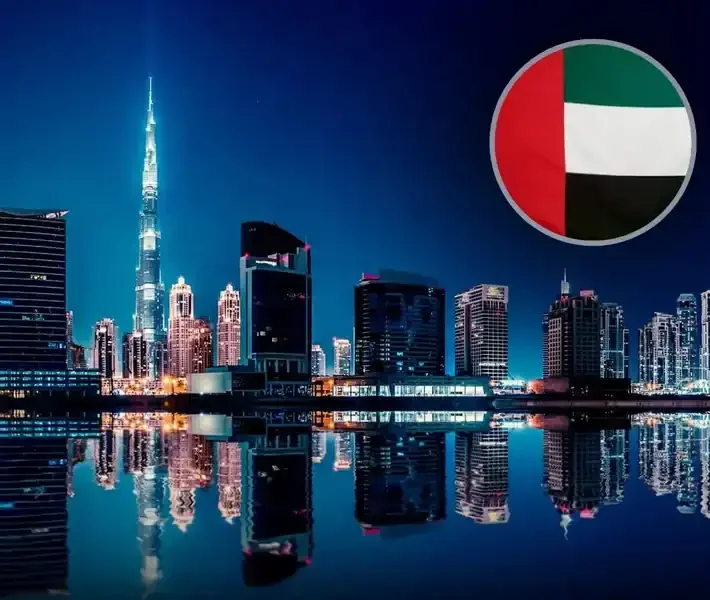
In the United Arab Emirates, Dubai’s Burj Khalifa stands 828 meters tall and holds the title of the world’s tallest building. The structure is a prominent example of modern architecture on a scale that places it at the top of a global height ranking. Its distinction is specifically tied to the height of an individual building.
Mexico has the world’s largest population of native Spanish speakers, exceeding that of Spain, where the language originated. This comparison concerns the number of people who speak Spanish as a first language, rather than the language’s place of origin. It illustrates how the history of a language and the present-day distribution of its speakers can point to different countries.
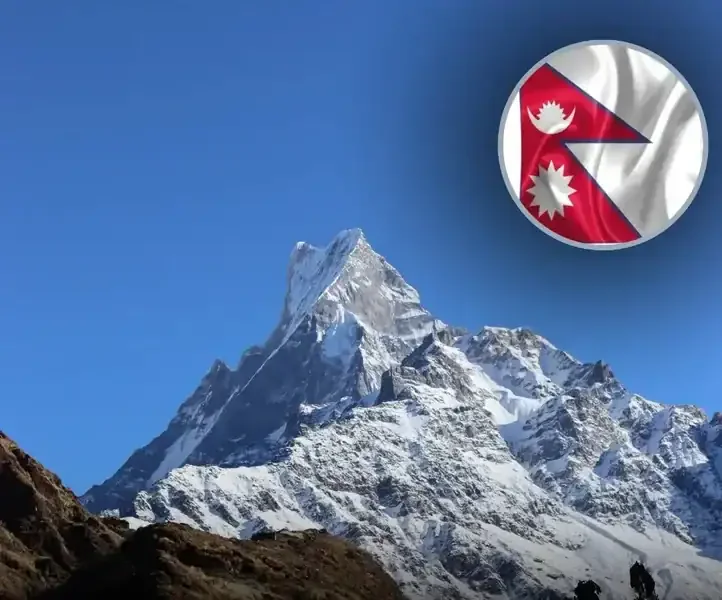
Nepal shares a border with China and is home to Mount Everest, which is considered the planet’s highest mountain above sea level. Its altitude is approximately 8,849 meters. The measurement is important because the claim is defined in relation to sea level: it compares the elevation of the mountain’s summit with that reference point.
Malaysia’s Petronas Towers, in Kuala Lumpur, are approximately 452 meters tall and are recognized as the world’s tallest twin towers. Their distinction is different from the Burj Khalifa’s: the ranking refers to a pair of towers, rather than the tallest single building. The example shows how records can depend on the category being compared.
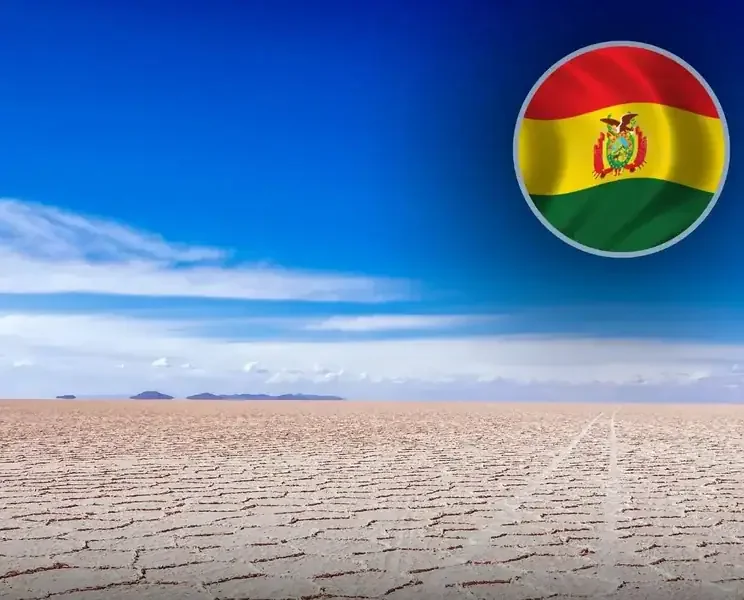
Bolivia contains the Salar de Uyuni, considered the largest salt flat on the planet. Its surface area exceeds 10,000 square kilometers. The feature is a broad expanse of salt, making it a geographic landmark whose record is based on the area covered by this kind of landscape.
Australia is home to the Great Barrier Reef, located off the country’s northeastern coast. Considered the world’s largest coral reef system, it extends for approximately 2,300 kilometers. Its scale is measured across a connected reef environment, rather than by the height or area of a single structure.
Indonesia, which consists of thousands of islands, is considered the world’s largest archipelagic country by territorial extent. An archipelago is a group or chain of islands, so this distinction concerns the country’s island-based geography and the extent of its territory. It is one of several examples in the gallery where a national ranking is tied to the arrangement of land and water.
The Vatican is located within Rome, Italy, and is the world’s smallest independent state by territorial area. It is also the home of the seat of the Catholic Church. Its status as an independent state and its small geographic size are separate aspects of the description: one concerns its political standing, and the other the extent of its territory.
In Ecuador, the summit of Chimborazo volcano is the point on Earth’s surface farthest from the planet’s center. This distinction is related to Earth’s shape, which has a bulge around the equatorial region. The claim therefore uses distance from Earth’s center as its measure, not elevation above sea level. That is why it differs from the description of Mount Everest, even though Everest is identified as the highest mountain above sea level.
Chile contains the Atacama Desert in the north of the country. It is considered the driest nonpolar desert in the world, and some areas can go long periods without recorded rainfall. The qualification “nonpolar” distinguishes the category being described, while the reference to extended periods without rain explains the extreme dryness associated with the desert.
Egypt’s Great Pyramid of Giza, also known as the Pyramid of Khufu, is the only one of the Seven Wonders of the ancient world that remains standing after thousands of years. The pyramid’s distinction is rooted in its survival: it is the sole surviving structure in that group of ancient wonders. Its presence makes Egypt a point of reference for both the history of monumental construction and the enduring remains of the ancient world.
Brazil contains most of the Amazon rainforest, which is considered the largest tropical forest in the world. The forest extends across different territories in South America and brings together a wide diversity of plant and animal species. Its international significance is not limited to one country, even though the largest share is located in Brazil. The example connects national geography with an ecosystem that crosses borders.
Japan is home to Shinjuku railway station in Tokyo, which is recognized as the world’s busiest railway station and receives millions of passengers each day. The description focuses on passenger activity, rather than the station’s physical size. Its position in the list highlights how transportation infrastructure can also provide a basis for a country’s distinction.
The Netherlands, also called Holland in the caption, stands out for the average height of its population. International surveys place it among the countries with the tallest people in the world. This is a population-level comparison, not a claim about every individual person. It reflects how averages can be used to describe a demographic characteristic across nations.
Sweden is often identified as the country with the greatest number of islands, with approximately 267,000. Most of those islands are uninhabited. The figure concerns the number of islands, not how many people live on them, and the distinction therefore includes landforms that do not have permanent residents.
Spain is the world’s largest producer of olive oil. The southern region of Andalusia is especially prominent, concentrating a large share of the country’s olive cultivation and national production. This example links a country-level production ranking to a region that plays a central role in that activity.
These examples illustrate that “number one” can refer to different measures: height, area, population, distance, production, or the number of geographic features. The categories are not interchangeable, and some distinctions depend on a particular definition, such as measuring a mountain above sea level or measuring a summit’s distance from Earth’s center. From natural landscapes to architecture and demographic characteristics, the comparisons offer a snapshot of the varied ways countries are recognized around the world.