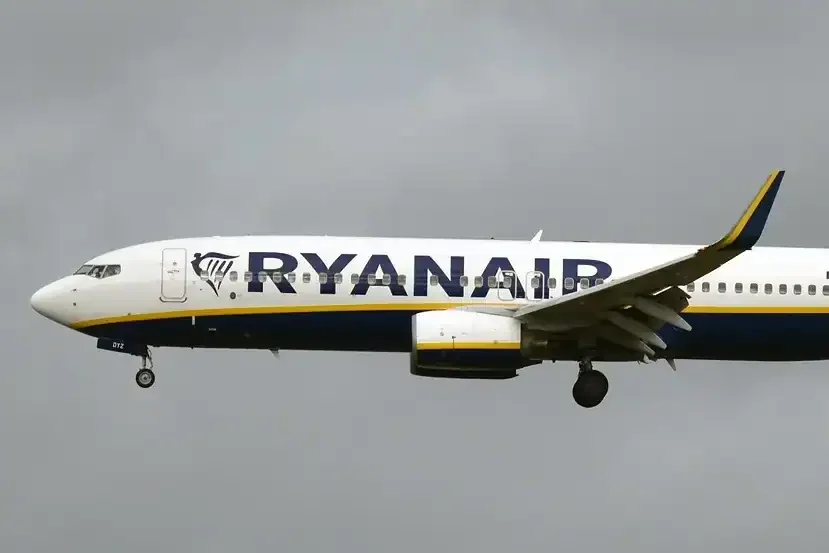
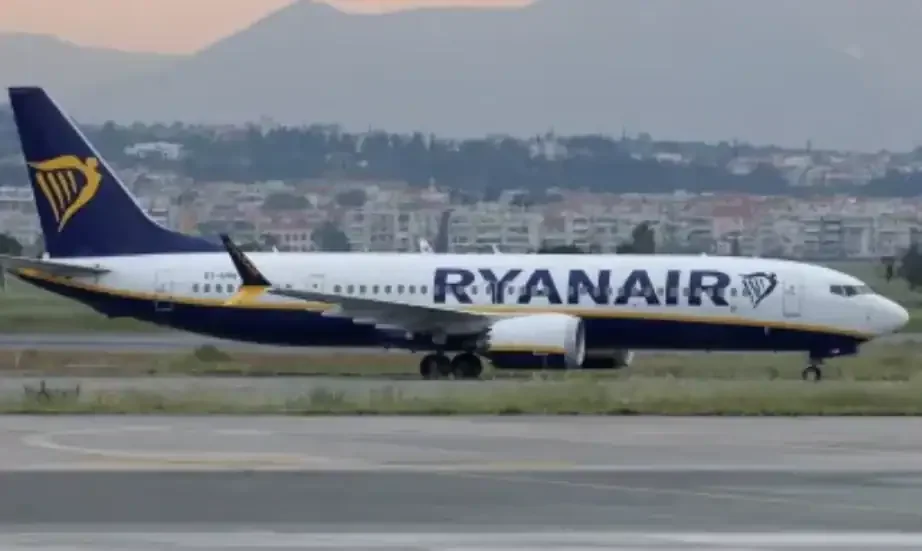


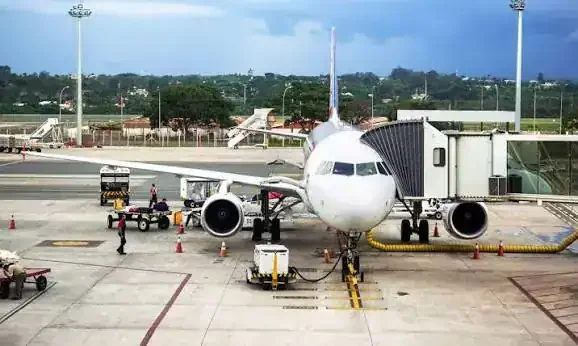

Seven commercial flights were targeted by false bomb threats in Europe on Tuesday (3), prompting security authorities at airports in Poland, Italy, Bulgaria, and Spain to carry out inspections and respond to possible risks. The alerts led to emergency security procedures and delays to some operations. None of the aircraft showed evidence of explosives, and all seven threats were ultimately considered false. Four of the flights involved aircraft operated by Ryanair, while the others were operated by LOT and SAS.
The incidents affected flights arriving at airports in four countries. The alerts involved aircraft traveling from Manchester, London, Copenhagen, Bergamo, Dublin, and Lisbon. The reports prompted different airport and national authorities to take action, including inspections after aircraft landed and, in one Italian case, the deployment of military aircraft to escort a plane. The available account does not identify the origin of the threats or provide further details about how they were communicated.
In Spain, an aircraft operated by Ryanair and arriving from Manchester, in the United Kingdom, prompted security protocols at Murcia Airport. The alert was treated as a matter requiring inspection, and the airport’s security response was activated. The information provided does not describe the specific steps taken at Murcia or state how long the response lasted. It does establish that the incident was among the seven alerts and that no explosives were found in the aircraft involved.
Poland received alerts involving two flights bound for Warsaw. One had departed from London, and the other from Copenhagen, Denmark. Authorities inspected the situations and later confirmed that the threat had been canceled and that airport operations could return to normal. The report does not say whether either aircraft was escorted, how long the inspections took, or what effect they had on passengers beyond the broader account that some European air operations experienced delays.
Two more aircraft, arriving from Bergamo in Italy and Dublin in Ireland, were involved in alerts in Bulgaria. Both landed in the capital, Sofia, where specialist agents conducted inspections. The authorities found no explosive devices. The report describes the agents as specialized in counterterrorism, but it does not provide details of the inspection methods or say whether the aircraft were held for a particular length of time.
The remaining two flights arrived at Rome’s Fiumicino Airport. One came from Dublin and the other from Lisbon. Both underwent inspections after landing. In one of the cases, Italy’s Air Force deployed two aircraft to escort the plane considered suspicious. The account does not identify which of the two arrivals received the escort, nor does it state how the alert was resolved in that individual case. It says that the inspections found no explosives and that the threats were ultimately judged to be false.
The seven alerts therefore involved four flights in Spain and Poland combined, two in Bulgaria, and two in Italy? The reports specify one in Spain, two in Poland, two in Bulgaria, and two in Italy, which together account for seven flights. Four of the aircraft belonged to Ryanair; the remaining aircraft were operated by LOT and SAS. The report does not provide a flight-by-flight breakdown of which airline operated each aircraft, apart from identifying the Ryanair aircraft in the Spanish incident.
A bomb threat does not by itself establish that an explosive device is present. It is an alert that requires authorities to assess a possible risk, and an inspection is the means of checking the aircraft or situation rather than proof that a bomb has been found. In these incidents, the inspections did not uncover explosives. The distinction is important: the response was triggered by the reports, while the final conclusion followed the checks carried out by the relevant authorities.
Airport security responses can involve coordination among airport personnel, police, specialist teams, and, where appropriate, national authorities. The particular response depends on the circumstances of an alert and the authorities responsible for the airport and aircraft. The account of Tuesday’s events confirms that security teams were mobilized in four countries, but it does not detail each agency involved or describe a common procedure applied across all four countries. It also does not say whether the alerts were connected to one another.
Inspections can affect flight operations because authorities may need time and space to examine an aircraft and address the reported concern. In this case, the source reports emergency checks and delays in some operations, but gives no total duration, passenger count, or estimate of the number of delayed flights. It also does not specify whether passengers were asked to leave any aircraft or whether flights were canceled. Those details were not provided, so the operational effects cannot be quantified from the available information.
The response extended from Murcia and Warsaw to Sofia and Rome, illustrating the geographical spread of the alerts without establishing that they had a shared source. The flights included both intra-European routes and arrivals from several cities, but the information available does not set out a connection among those routes. It likewise does not identify anyone suspected of making the threats, explain whether an investigation is continuing, or state whether authorities issued further public warnings.
By the end of the inspections, authorities had found no bombs or other explosive devices on any of the seven aircraft. All seven threats were classified as false. That finding closed the immediate concern described in the account, although the security response itself had required inspections, mobilization of specialist personnel, and an escort by Italian Air Force aircraft in one case. Some operations were delayed as authorities addressed the alerts.
The events demonstrate the difference between an unverified threat and a confirmed security incident: authorities responded to each alert as a potential risk, then inspections established that no explosives were present. The account provides no further findings about the source of the threats or any subsequent investigative action. It reports only that the alerts were false and that the aircraft involved were inspected.