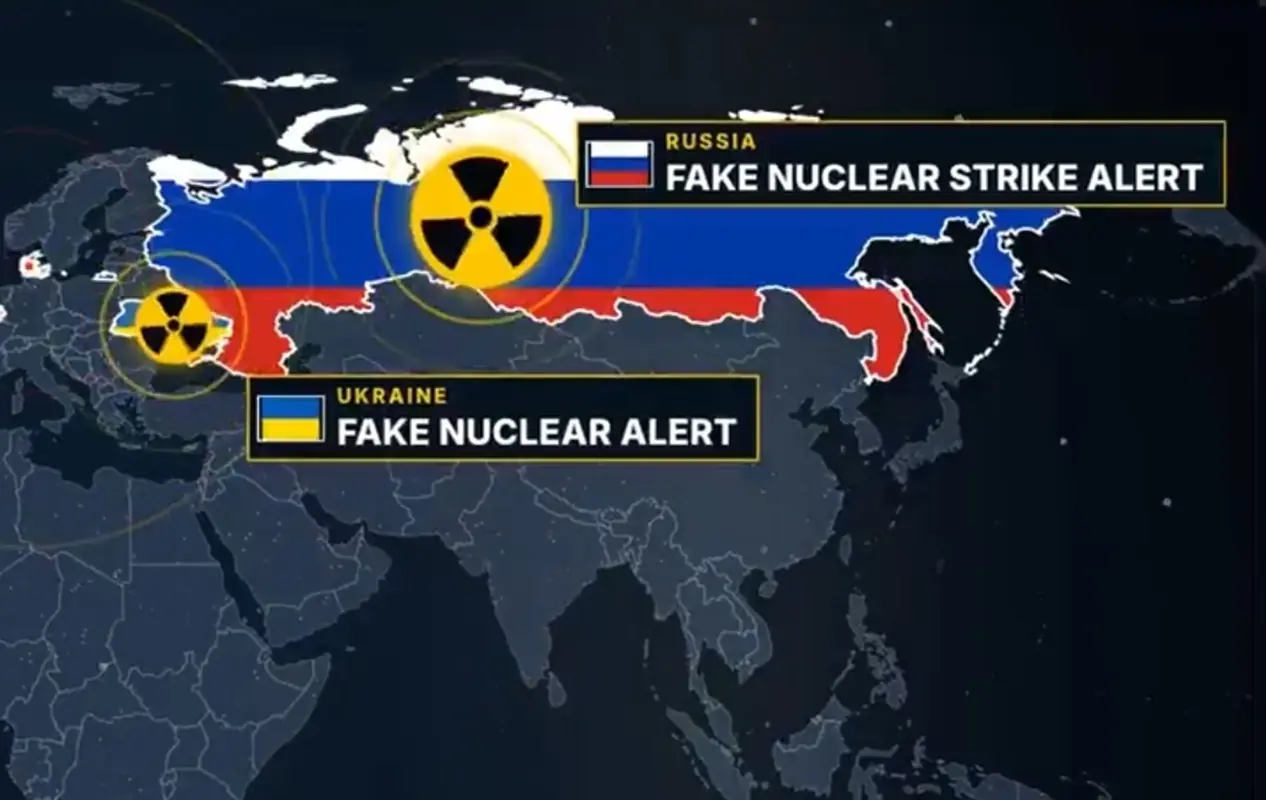
Ukraine and Russia reported cyberattacks on mobile alert apps used to warn residents about incoming airstrikes on Nov. 1. (Foto: Instagram)
Ukraine and Russia reported cyberattacks on their mobile alert systems on Sunday night, Nov. 1. The apps are used to warn people about incoming airstrikes, including approaching missiles and drones, and direct them to seek shelter. The incident appeared to be the first attack on this scale since the war began, disrupting an important channel authorities use to communicate with the public.
In Kyiv, residents received unusual alerts over roughly an hour. People in the city typically get several warnings a day about Russian drones or missiles, and, after four years of living in a war zone, many are accustomed to hearing their phones sound alerts, sometimes followed by street sirens. The messages on Sunday, however, warned of a possible nuclear radiation threat, a chemical attack and fighting in the streets.
The alerts were sent at 10:47 p.m., 10:48 p.m. and 10:49 p.m. One warned that a radiation threat had been declared in Kyiv. Another, written in Russian, said a nuclear alert would be issued across Ukraine and told people not to worry because an Oreshnik missile was flying. Two more warned of a possible chemical attack and street fighting in Kyiv, telling residents to stay indoors. An all-clear notice followed at 11:53 p.m.
Within an hour, Ukrainian authorities said on Telegram that they believed the alert apps’ systems had been compromised. The air-raid alert channel said unauthorized parties had interfered with the system, which was temporarily taken offline, and urged users not to click links in suspicious notifications. Ukraine’s Air Force said the app had probably experienced hostile interference, denied that there was a radiation threat and urged people to remain calm and follow updates on its channel.
Russian authorities said Monday, Nov. 2, that hackers had gained access to the mobile app of the Ministry of Emergency Situations to send false information. The ministry temporarily took the app offline but said the country’s broader warning system remained operational. That system includes text messages, broadcasts, street sirens and loudspeakers. Russia’s ministry did not identify those responsible. Ukrainian media reported claims by the Ukrainian cyber group Atesh that it had sent the messages in Russia, which also included nuclear threats.