

The Bible brings together some of humanity’s best-known stories, with narratives passed down through generations that continue to spark the curiosity of millions of people. What many may not realize is that some of the settings mentioned in scripture can still be found today. Even after thousands of years, places associated with these accounts remain, and some can be visited by people who want to learn more about the stories.
Over the centuries, civilizations changed, empires rose and fell, cities were rebuilt, and landscapes shifted. Despite those changes, traces of the past have remained at some locations connected with biblical accounts. Today, they serve as historical, cultural and religious reference points. For Christians, visiting such places can carry deep spiritual meaning. Walking through regions linked to events described in the Bible may help visitors imagine the lives of people in earlier times and consider the setting in which particular passages were recorded.
Interest in these destinations is not limited to religion. Historians, archaeologists, researchers and tourists also visit them to see ancient structures, ruins and landscapes associated with past civilizations. The connection between a place and a biblical passage, however, does not always mean that archaeologists have conclusively verified the event described in the text. Some sites have historical evidence that helps place their surroundings in context; others are chiefly linked to religious tradition. The distinction matters when describing what can be seen today and what remains a matter of belief or interpretation.
One location associated with a biblical account is a rock formation in Saudi Arabia. According to the biblical narrative, Moses struck a rock with his staff, causing water to flow so that the people of Israel could drink. Certain rock formations in Saudi Arabia are associated with this passage. The landscape itself can be visited and observed, while the connection to the account is presented as an association rather than definitive proof that the specific biblical event took place at that particular formation. In this example, a natural feature and a religious narrative meet in the way a site is remembered and discussed.
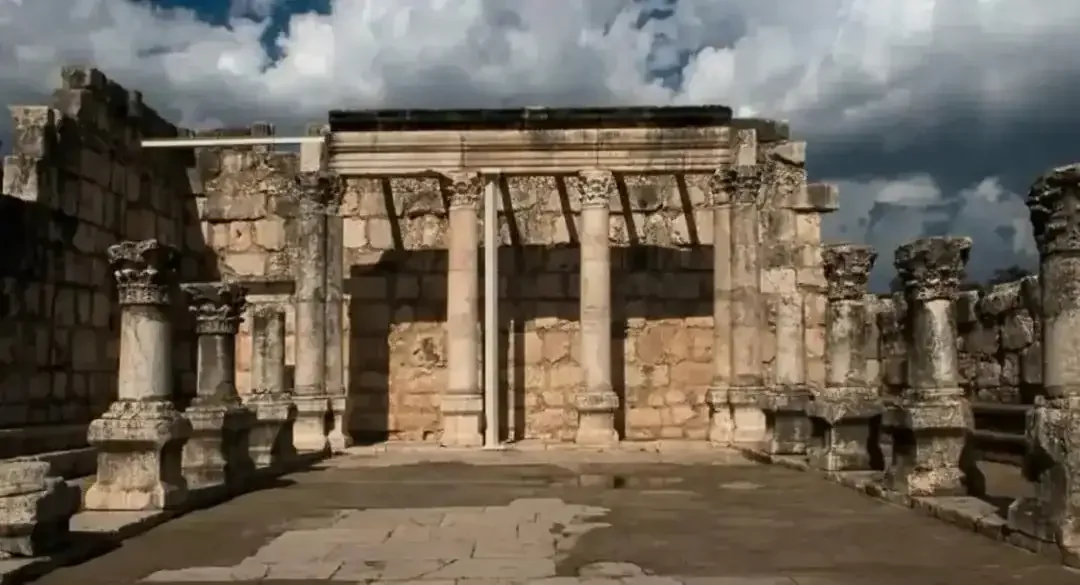
Another setting connected to the Bible is an ancient synagogue in Jerusalem. It is associated with the tradition of places where Jesus taught. The Gospels describe Jesus visiting synagogues and preaching during his travels through the region. An ancient synagogue can therefore offer visitors a way to consider the religious and communal spaces connected with those accounts. The association does not, by itself, establish that a particular surviving building is the exact place where a specific teaching occurred. Rather, the site reflects a broader connection between the Gospel narratives and the practice of teaching in synagogues.
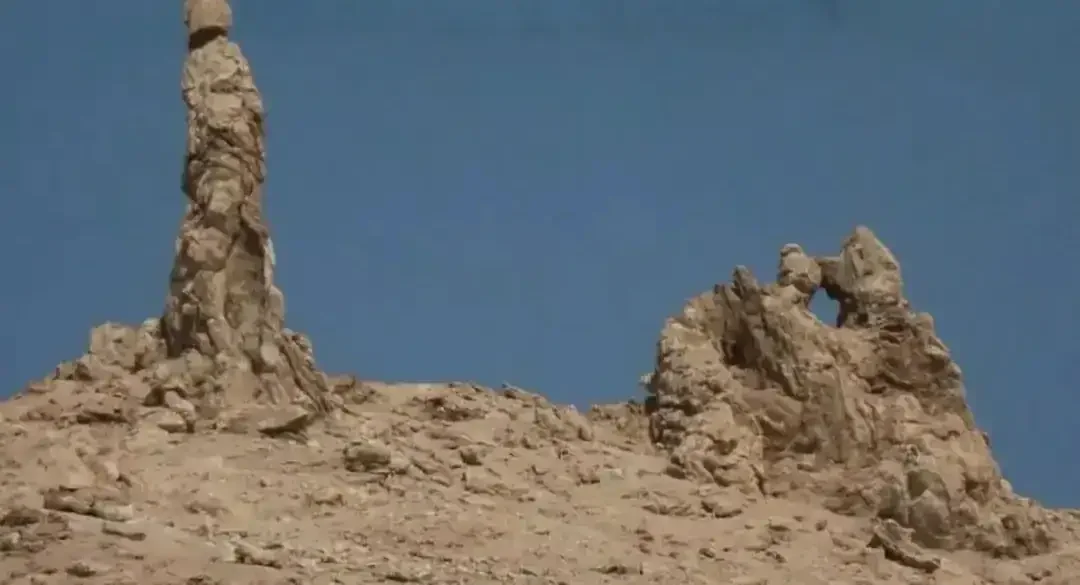
Near the Dead Sea, in the region of Jordan, a salt formation is popularly known as Lot’s wife. In the Book of Genesis, Lot’s wife is said to have become a pillar of salt after looking back during the destruction of Sodom and Gomorrah. The formation’s popular name draws on that story, linking a visible feature in the landscape with a familiar biblical passage. The name explains the tradition associated with the formation; it is not, on its own, archaeological confirmation of the account. For visitors, the location can be understood both as a feature of the landscape and as a place whose identity has been shaped by religious storytelling.
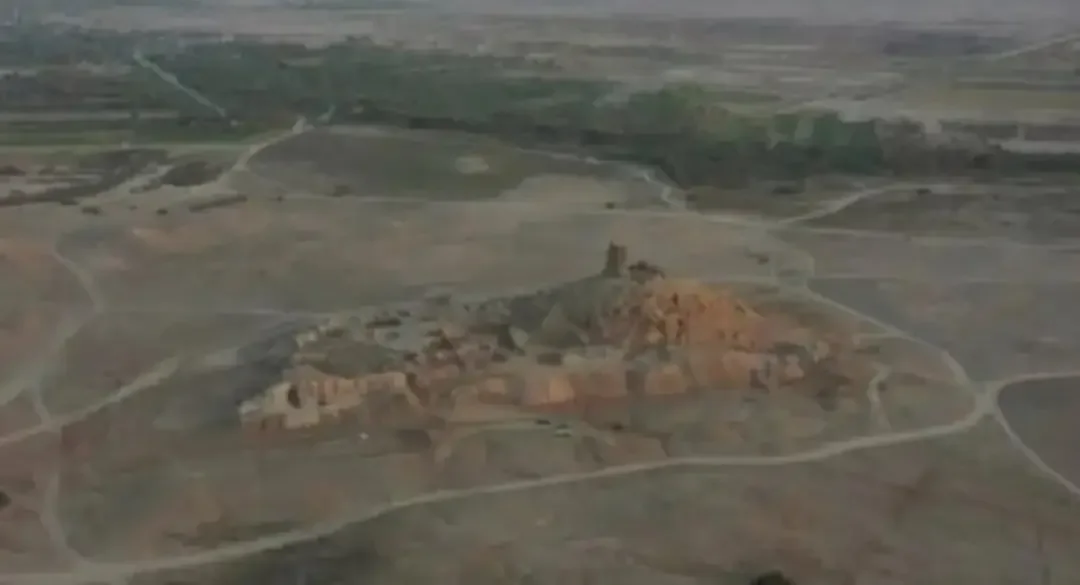
The ruins associated with ancient Babylon are in present-day Iraq. The region is linked to the story of the Tower of Babel, described in Genesis. The ruins offer a connection to the history of an ancient city, while the Tower of Babel story provides a religious and cultural association familiar to many readers of the Bible. The presence of ruins in the region does not mean that every detail of the biblical account has been confirmed through archaeology. It does, however, make the location a point of interest for people exploring how ancient places are remembered in both historical and religious traditions.
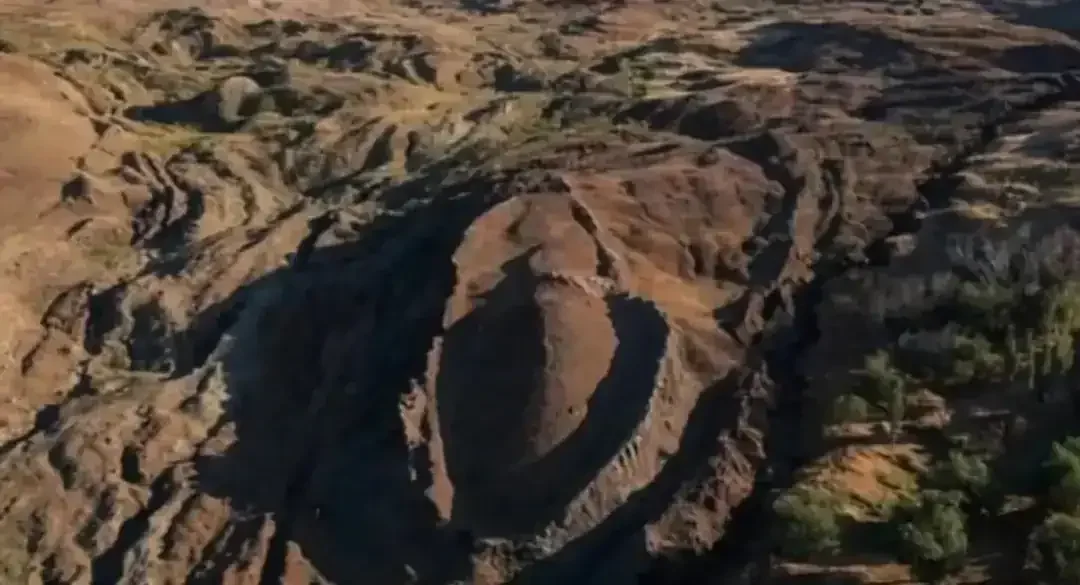
Mount Ararat, in Turkey, is another place that draws interest from people searching for traces of Noah’s Ark. Formations and accounts connected with the mountain have prompted curiosity and led to expeditions and theories. However, no discovery has been scientifically recognized as the remains of the biblical vessel. That distinction is important: reports, proposals and searches are not the same as an accepted identification. The mountain remains associated with the Ark in the minds of many visitors, but the available claim is that the question has not been settled by a scientifically recognized find.
Jerusalem is also home to the Church of the Holy Sepulchre, one of Christianity’s most important sites. It is traditionally identified as the tomb where Jesus was buried and rose from the dead. The word “traditionally” signals that the location is identified through religious tradition. For Christians, the site’s importance is tied to the central events of Jesus’ death and resurrection. For visitors more broadly, it is a place where centuries of religious memory and pilgrimage come together. Its significance is not limited to the physical structure: it also comes from the meaning believers attach to the location.
The final site is Golgotha, also known as Calvary, traditionally identified as the setting of Jesus’ crucifixion. The two names refer to the place identified in Christian tradition with that event. As with other locations in Jerusalem, the site’s importance is closely connected to the way it has been remembered and interpreted by religious communities. Visitors may encounter the name in scripture, religious teaching and accounts of pilgrimage, each of which helps explain why the location remains significant.
Taken together, these places show different ways that biblical narratives are connected to real-world locations. Some are associated with natural formations, some with ruins or religious buildings, and others with sites identified through tradition. Their modern appearance does not erase the layers of history, belief and interpretation attached to them. At the same time, it is useful to distinguish between a place that can be seen today and a claim about what happened there in the distant past.
For people of faith, these destinations may offer an opportunity for reflection and spiritual connection. For researchers and other visitors, they can prompt questions about how communities preserve, interpret and pass on stories. In each case, the journey connects the present-day landscape with accounts that have endured across generations. The places remain compelling not because every connection is established in the same way, but because they invite people to consider how history, archaeology and religious tradition overlap. The locations featured in the gallery illustrate why places mentioned in or associated with the Bible continue to attract attention today.