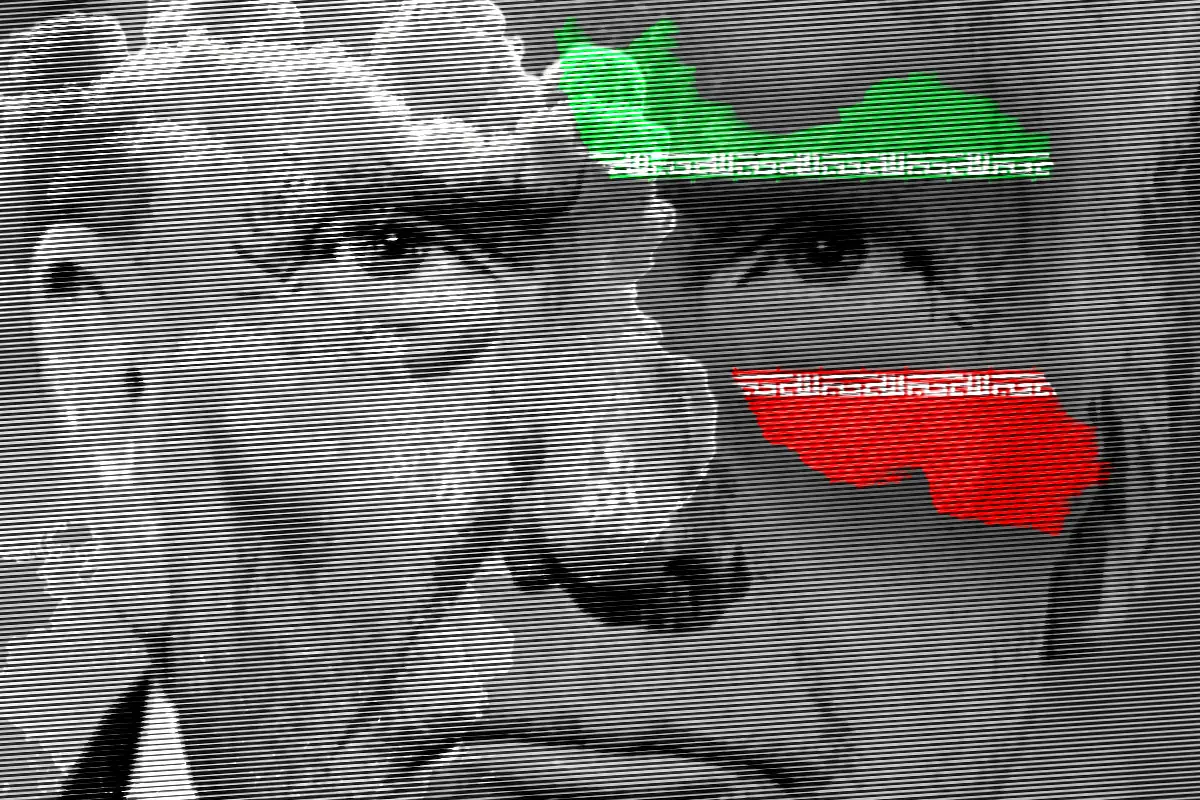
Iranian official Mohsen Rezaei said the U.S. response to Tehran’s peace proposal was not convincing, raising doubts about a deal to reopen the Strait of Hormuz. (Foto: Instagram)
Iran said the United States’ response to its latest peace proposal for the Middle East conflict was “not convincing,” casting doubt on the prospects for an agreement between the two countries. Major General Mohsen Rezaei, secretary of Iran’s Supreme National Security Council, made the statement Tuesday, Nov. 3.
In a statement posted on X, Rezaei said Washington must respond fully and explicitly to Iran’s seven conditions and meet them. Only then, he said, would Iran reopen the Strait of Hormuz. His comments came a day after the latest round of talks between Washington and Tehran ended. Qatar and Pakistan mediated the negotiations.
Iran presented its seven-point plan during the discussions. It calls for an immediate cease-fire, including an end to Israeli attacks on Lebanon, and for the United States to suspend its naval blockade of Iranian ports. The proposal also seeks the removal of U.S. sanctions on Iran’s oil sector and the release of Iranian financial assets frozen abroad.
The remaining conditions call for recognition of a shipping route through the Strait of Hormuz defined by Iran and Oman, a reduction in the U.S. military presence in the Middle East, and the start of negotiations on Iran’s nuclear program. The strait is a strategic passage through which about 20% of the world’s oil is transported.
Iran has said it is willing to reopen the strait within 48 hours if President Donald Trump’s administration accepts the plan. The latest statement, however, indicates that Tehran considers the U.S. response insufficient to satisfy its demands, and the talks have not produced reported progress.
Meanwhile, concerns are growing about a possible return to full-scale war. On Monday, Nov. 2, U.S. forces carried out what the report described as a small-scale attack on Qeshm Island, in the Strait of Hormuz. It was the first U.S. military operation on Iranian territory since September. The strike came as Iran prepared for possible joint attacks by the United States and Israel after the U.S. midterm elections.