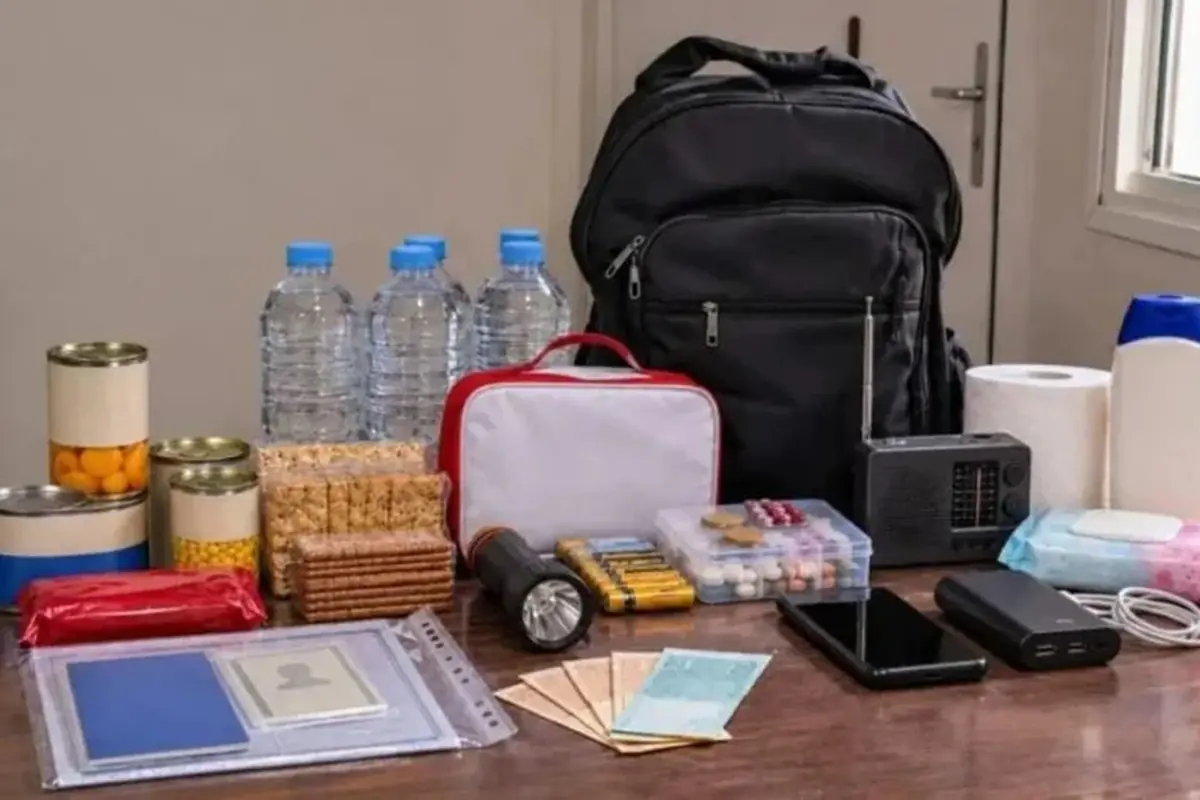
Emergency preparedness guidance recommends keeping essential supplies ready for up to 72 hours. (Foto: Instagram)
Brazil’s National Civil Defense and the European Commission are urging people to prepare supplies that could help them manage for up to 72 hours during a crisis. The Brazilian agency published its recommendations on Friday, Nov. 6, while the commission called on residents of the European Union’s 27 member countries to prepare for three days on Tuesday, Nov. 3.
The guidance is intended as a preventive measure, not a warning that a disaster is about to happen. A ready-to-go backpack can provide essentials for individuals and families while emergency assistance is delayed or services are temporarily disrupted. Civil defense officials say the supplies should be organized and easy to reach in case people need to leave home quickly.
Brazil’s National Civil Defense says the kit should include drinking water, nonperishable food, medication, clothing, personal documents and equipment for following official instructions. Water is the top priority: the recommendation is two liters of drinking water per person per day, or six liters per person for 72 hours. Suggested foods include dried fruit, granola bars, crackers and canned goods.
Other recommended supplies include plastic plates and cups, utensils, a can opener, paper towels and soap. The kit should also contain regularly used medication, copies of prescriptions, hand sanitizer and medical devices with batteries and chargers. Personal items can include prescription glasses and insect repellent; clothing and comfortable shoes are also advised. For communications and lighting, the list includes an AM/FM radio, a flashlight, batteries and chargers. Keep personal documents in waterproof packaging, along with a contact list, and use plastic bags to protect belongings from moisture and dirt. Families with babies should also pack products specifically needed by young children.
The European recommendation is part of a broader preparedness strategy addressing possible crises such as natural disasters, geopolitical emergencies and cyber threats. Its suggested supplies are similar to Brazil’s list, including drinking water, nonperishable food, first-aid materials, hygiene products, flashlights, radios and portable cellphone chargers. The European Commission says the effort is intended to improve how individuals and communities respond when services are affected and to help residents be better informed and prepared. The guidance is voluntary, and the bloc says it is meant to encourage a culture of prevention.
In Brazil, the National Civil Defense recommendations prompted speculation on social media about whether an unusual situation was expected in the coming days. The agency clarified that the advice is routine and preventive. It said there is no imminent unusual event associated with the recommendation and no disaster alert tied to the kit guidance.