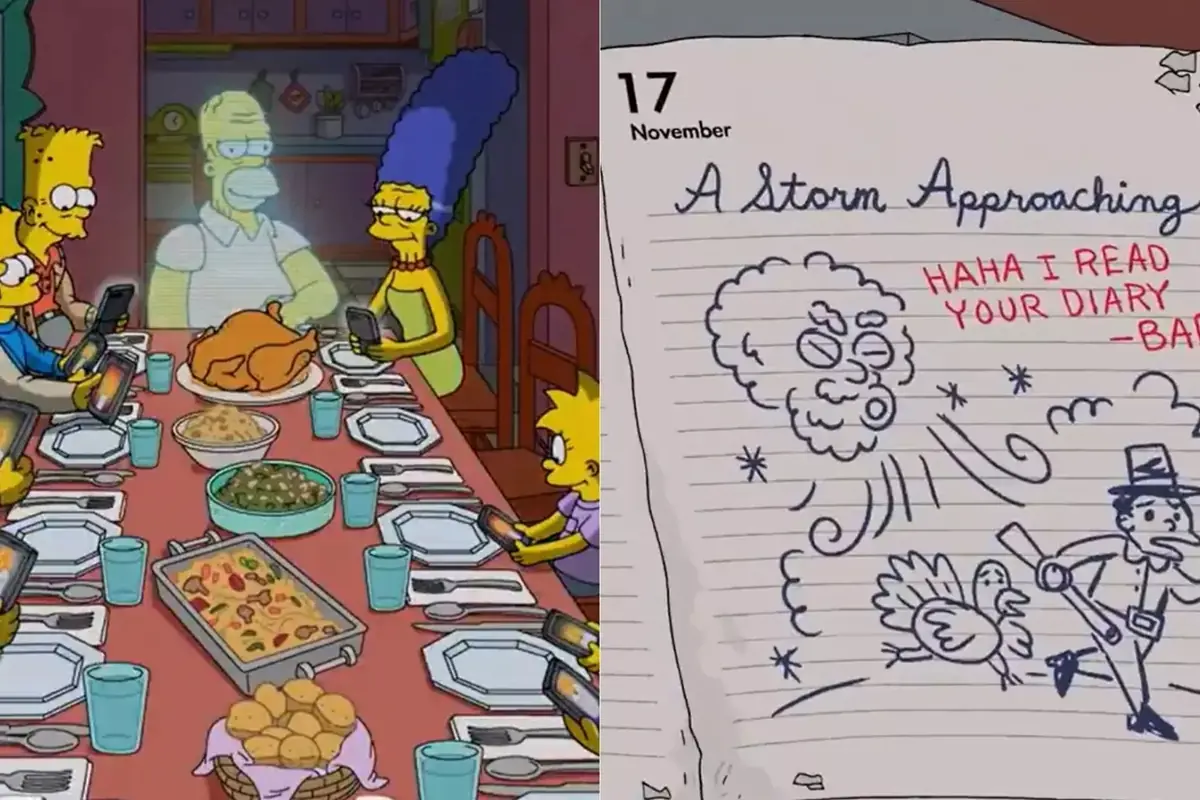
Emergency preparedness guidance recommends keeping essential supplies on hand for the first 72 hours of a disaster; it is not a warning of an imminent blackout. (Foto: Instagram)
A National Civil Defense recommendation that households keep emergency supplies on hand for up to 72 hours has fueled online claims that a worldwide blackout is planned for Nov. 17, 2026, and could leave the planet without electricity for as long as 90 days. The claim has no concrete evidence, and the posts conflate three unrelated events: the emergency-preparedness guidance, an episode of The Simpsons, and a U.S. government alert-system test. In Brazil, the rumor spread alongside a post falsely attributed to Google’s official account, which urged viewers to watch the final seconds of an episode said to have predicted the blackout. No official confirmation, technical document or authority alert supports a global power collapse in November.
The emergency-kit guidance is real, but Civil Defense said it is routine preparation and is not connected to an imminent threat. The agency published its recommendation on Friday, Nov. 6, advising people to prepare for the first 72 hours of a possible disaster. It explained that emergency assistance can take time to reach people, particularly in hard-to-access areas, so households should be able to meet basic needs while crews work and services are restored. After the guidance drew attention and speculation about an impending crisis, Civil Defense urged calm and said there was no imminent unusual event.
The agency recommends storing two liters of drinking water per person per day, or six liters for three days, along with nonperishable foods such as dried fruit, granola bars, crackers and canned goods. Suggested household supplies include disposable plates and cups, utensils, a can opener, paper towels and soap. The kit should also include regularly used medications, copies of prescriptions, hand sanitizer and any medical equipment that needs batteries or chargers; a change of clothes and comfortable shoes; a radio, flashlights, batteries and chargers; and personal documents in waterproof packaging, plus a contact list. Families with babies should set aside supplies for their children, and plastic bags can help protect belongings.
The episode cited in the rumors is “It’s a Blunderful Life,” from The Simpsons’ 35th season, first aired in November 2023. The story does not refer to a worldwide blackout in 2026 or predict a broad interruption of communications, and the episode does not support the connection to Nov. 17. The date instead corresponds to a planned U.S. emergency exercise. The Federal Emergency Management Agency and the Federal Communications Commission are scheduled to conduct a national test of the Emergency Alert System that day.
The test is set for 2:20 p.m. Eastern time, or 4:20 p.m. in Brasília. Radio and television stations will briefly interrupt programming to broadcast a message saying the alert is only a test; the transmission is expected to last about one minute. Cellphones will not receive notifications, and the exercise does not call for power to be shut off, internet access to be interrupted or banking services to be suspended. U.S. law requires a national test of the system at least once every three years.
Cyberattacks against power systems are a genuine risk because intrusions can affect equipment and systems used to generate, transmit and distribute electricity. But the article reports no technical documents, identified perpetrators or official alerts indicating a coordinated attack planned for November 2026 to cause a worldwide blackout. Electrical infrastructure is not one integrated global network: countries have separate systems and different arrangements for generation, transmission and distribution. The “90 days” claim has also been linked to the U.S. military’s Fortress Directive, announced by the Department of Defense in September 2026. The initiative sets a goal of up to 90 days of energy autonomy for about 500 military bases in the event of cyberattacks or interruptions to outside supply. It is intended to help those facilities continue operating; it does not propose a 90-day blackout or a shutdown of electricity to civilians.