

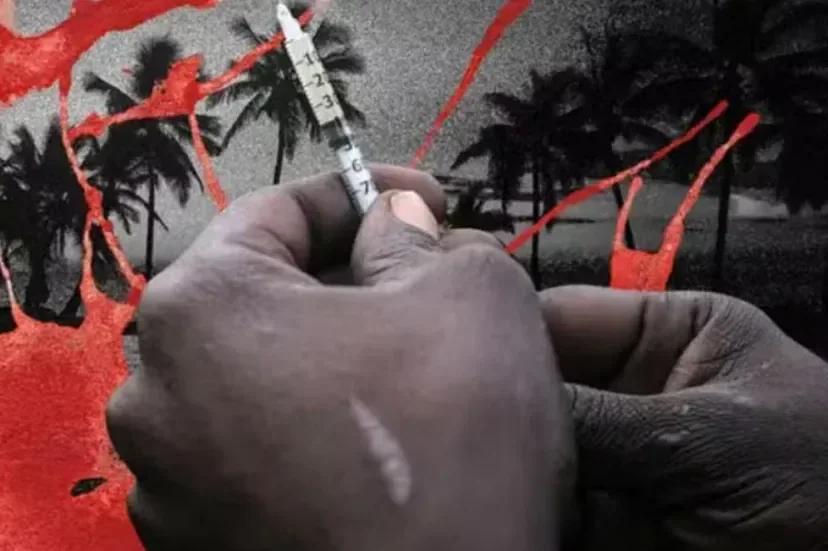
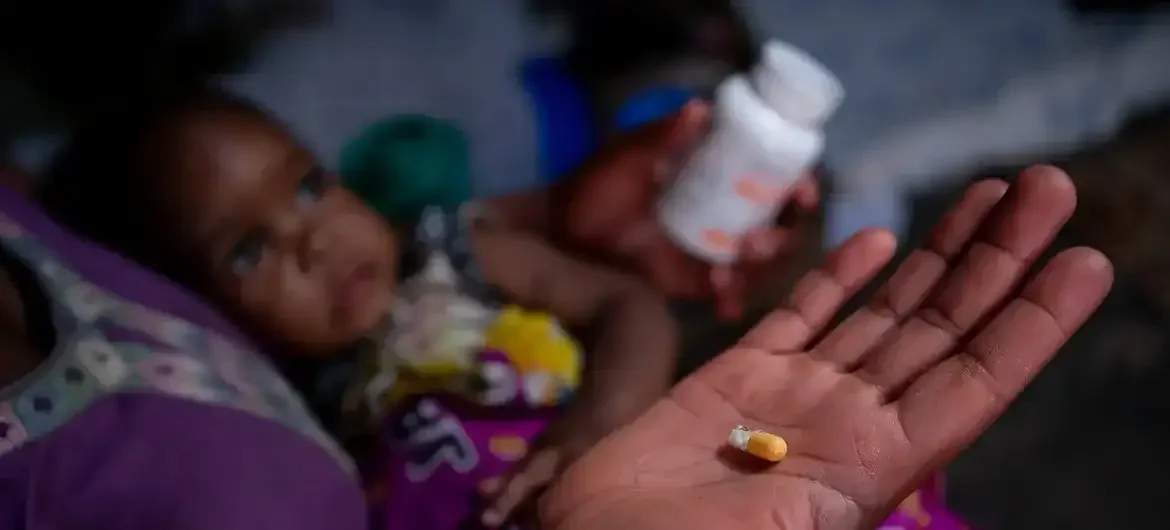
A new practice among drug users has raised health concerns in Fiji, an archipelago in the Pacific Ocean. Known as “bluetoothing,” the procedure involves drawing blood from someone who has recently used drugs and injecting it into another person seeking similar effects. The practice is considered extremely dangerous because sharing blood can transmit serious diseases, particularly HIV.
Some people use the method as a way to save money or make injectable drugs go further. But injecting another person’s blood creates a risk of exposure to infections that may be present in that blood. The World Health Organization (WHO) has warned that the risks include HIV, hepatitis B and hepatitis C, as well as serious bacterial infections. The practice is distinct from casual contact: HIV is not transmitted through ordinary activities such as sharing a meal or being near someone. Blood exposure, however, can transmit the virus when infected blood enters another person’s body.
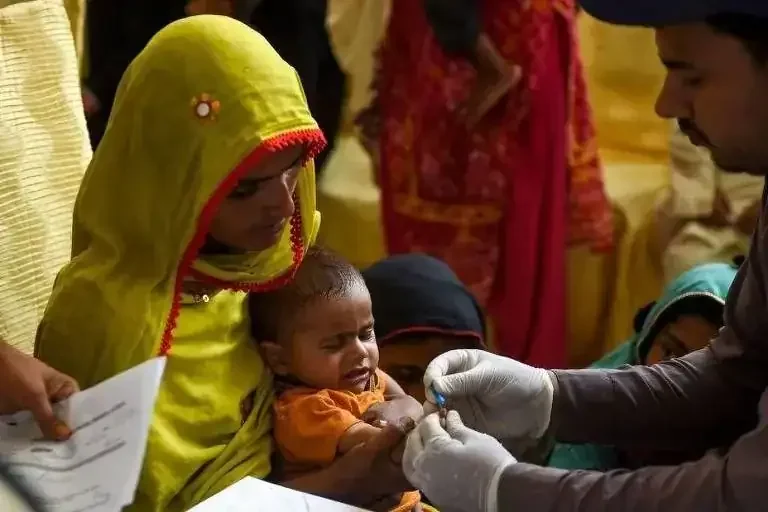
The concern has grown as Fiji faces a rapid increase in reported HIV cases. The country has declared a national state of emergency because of the rise. Approximately one in every 60 adults in the archipelago is now living with HIV, compared with about one in every 167 people five years ago, according to figures cited in the report. Fiji’s Ministry of Health has identified blood sharing as one factor that has contributed to the increase in infections.
The extent of bluetoothing remains uncertain. A WHO assessment interviewed 56 people who inject drugs and found only two reports of participation in the practice. That small number does not establish how common the behavior is across Fiji, and it also does not rule out that people may be reluctant to disclose it. The available information therefore points to a reported risk, but it does not show that bluetoothing is widespread throughout the country.
Limited access to sterile syringes and needles is another concern. When people cannot readily obtain sterile equipment, they may be more likely to reuse or share injection equipment, increasing the possibility of exposure to bloodborne infections. The article identifies access to sterile supplies as a factor that can favor risky behavior, while authorities have announced prevention measures that include distributing sterile syringes and needles.
HIV is a virus that affects the immune system. It can be transmitted through certain bodily fluids, including blood, when those fluids reach a person who does not have HIV. Sharing blood through an injection can create a direct route for exposure. The precise level of risk in any individual situation depends on circumstances such as whether the blood contains the virus and whether it enters the other person’s body. The article does not provide details about individual cases linked to bluetoothing.
Hepatitis B and hepatitis C are also bloodborne viruses, and sharing equipment contaminated with infected blood can expose people to them. Bacterial infections can also occur when equipment or injection practices introduce bacteria into the body. These are separate health risks from HIV, but they underline why sharing blood or injection equipment can have serious consequences even when a person is focused on the effects of a drug.
Sterile injection equipment is a central prevention measure because it reduces the chance that blood from one person will be carried into another person’s body. Distribution of new syringes and needles is among the steps Fiji’s authorities have announced. Such measures address an immediate route of exposure, while access to health services and accurate information can help people understand risks and seek care.
Testing is also important in responding to HIV. A person’s HIV status cannot be determined by appearance or by whether they feel ill, so testing is needed to identify an infection. Health professionals can provide information about testing and connect people with care. The article does not give details about specific testing programs in Fiji, but the rise in cases makes identification of infections an important part of the broader public health response.
The distinction between evidence of a risk and evidence of its prevalence is important. Fiji’s health ministry has acknowledged blood sharing as one contributor to the increase in infections, while the WHO assessment found only two reports of bluetoothing among the 56 people it interviewed. The interview results are limited to that group and do not measure the behavior among every person who injects drugs in the country. They also should not be treated as proof that the practice is either common or absent beyond those interviews.
Health professionals have also emphasized that prevention efforts should address stigma and prejudice. Fear of judgment can make it harder for people to discuss drug use, disclose possible exposure, or seek health services. Treating the issue seriously without stigmatizing people can support more open communication about risks and make it easier to connect people with prevention and care. This does not lessen the dangers of blood sharing; it recognizes that public health measures need to reach the people who may be affected.
The authorities’ announced distribution of sterile syringes and needles is one part of the response to Fiji’s HIV emergency. The rise in cases, the role identified for blood sharing, and the limited information about bluetoothing all point to the need for prevention and careful monitoring. At the same time, the available WHO assessment does not establish that bluetoothing is a widespread practice. The clearest reported concern is that injecting another person’s blood can expose someone to HIV and other serious infections, while access to sterile equipment and health services can help reduce avoidable risks.