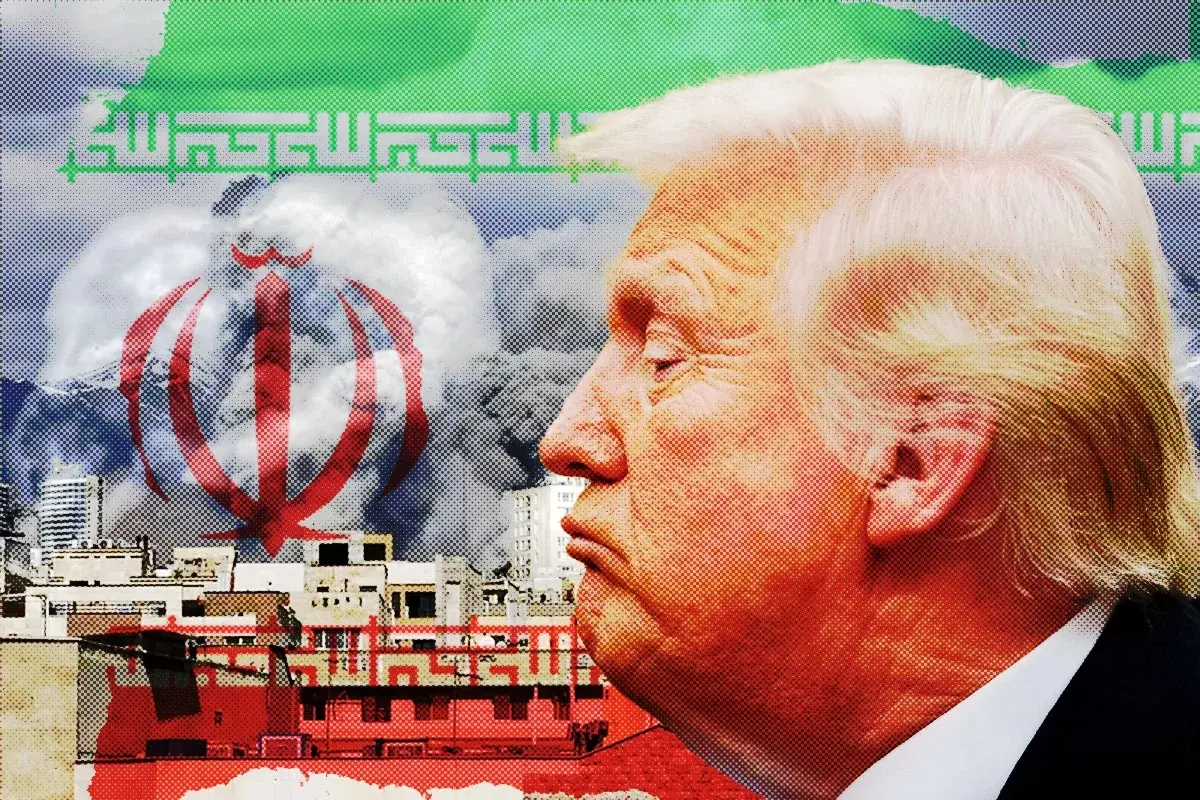
Iranian military leaders warned that the country would respond to any renewed U.S. attack as tensions rose ahead of the U.S. midterm elections. (Foto: Instagram)
Iran is preparing to respond if its conflict with the United States resumes after the U.S. midterm elections, which are scheduled for Tuesday, Nov. 3. The vote will determine the next members of the House of Representatives and about one-third of the Senate. Tensions have risen amid reports that Washington could launch further attacks after the election.
On Monday, Nov. 2, Iranian state media and The Wall Street Journal reported a small-scale U.S. operation against Qeshm Island in the Strait of Hormuz. The reports described the strikes as the first U.S. attacks on Iranian territory since September. The reported action added to signs of a possible return to fighting, though the broader prospect of renewed attacks remains uncertain.
Iranian Army Chief of Staff Maj. Gen. Ali Abdollahi said on Oct. 31 that Iran was monitoring U.S. military movements and preparations. In a post on X, he wrote that Iran was updating its list of targets. If the country detected signs of hostile action, he said, its armed forces would not wait for an attack to begin before deciding how and when to respond. “Our response will be immediate, forceful and without geographic limits,” Abdollahi wrote.
Abdollahi made the remarks after meeting with Iran’s Supreme Leader, Ayatollah Mojtaba Khamenei, and other military leaders. Khamenei ordered the country to be ready to respond to any potential U.S. attacks “without geographic limits,” according to the account of the meeting. The warnings came as international news reports discussed the possibility of a new joint U.S.-Israeli campaign against Iran after the midterms.
The conflict began on Feb. 28, when the United States and Israel attacked Iran, saying the strikes were intended to prevent the country from building a nuclear weapon. Iran then attacked U.S. positions in neighboring countries and announced the closure of the Strait of Hormuz. The two sides announced a ceasefire on April 8, which was extended twice. In June, they reached a 14-point memorandum that established another truce and opened talks on a broader peace agreement. That ceasefire broke down on July 7, after President Donald Trump announced a series of attacks on Iran, which he described as retaliation for Iranian strikes on vessels in the strait. Operations were paused in mid-August, though attacks by both sides have been reported since then, and negotiations resumed with mediation by other countries.
Talks intensified late the previous week after Iranian representatives traveled to Qatar, which is mediating the current round alongside Pakistan. Iran presented a seven-stage proposal, but the United States had not responded by the time the report was published. The New York Times reported on Oct. 22 that U.S. and Israeli forces had held joint military exercises aimed at preparing a new campaign against Tehran after the U.S. election. Asked about the possibility on Oct. 28, Trump said “anything is possible.” Tucker Carlson, a journalist and former Trump ally, also warned Monday of a “short and final” war. In an article posted on X, Carlson claimed that Israeli Prime Minister Benjamin Netanyahu was pressing Trump to launch a nuclear attack on a site in central Iran, citing an alleged resumption of Iran’s uranium-enrichment program there. Washington and Tel Aviv had not officially commented on the possibility of renewed war after the election.