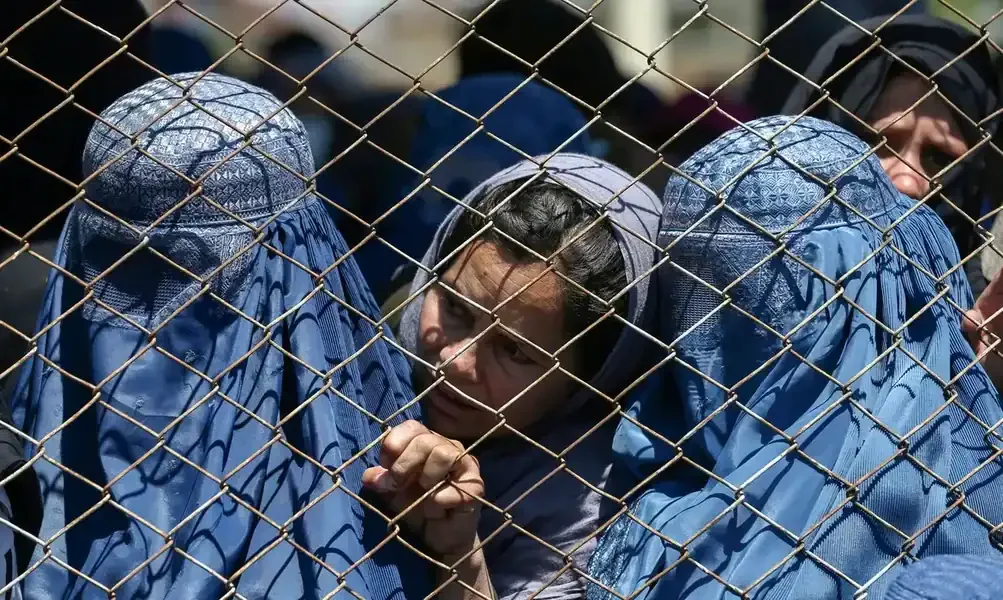
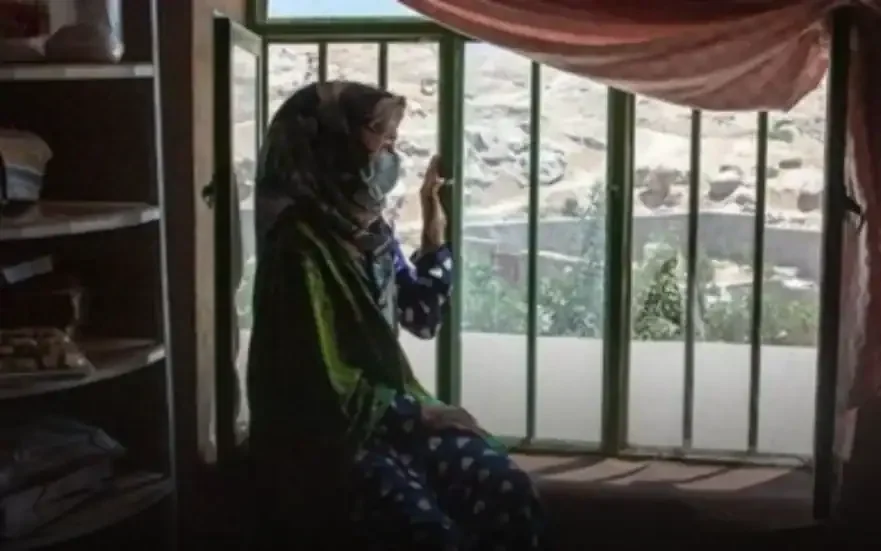
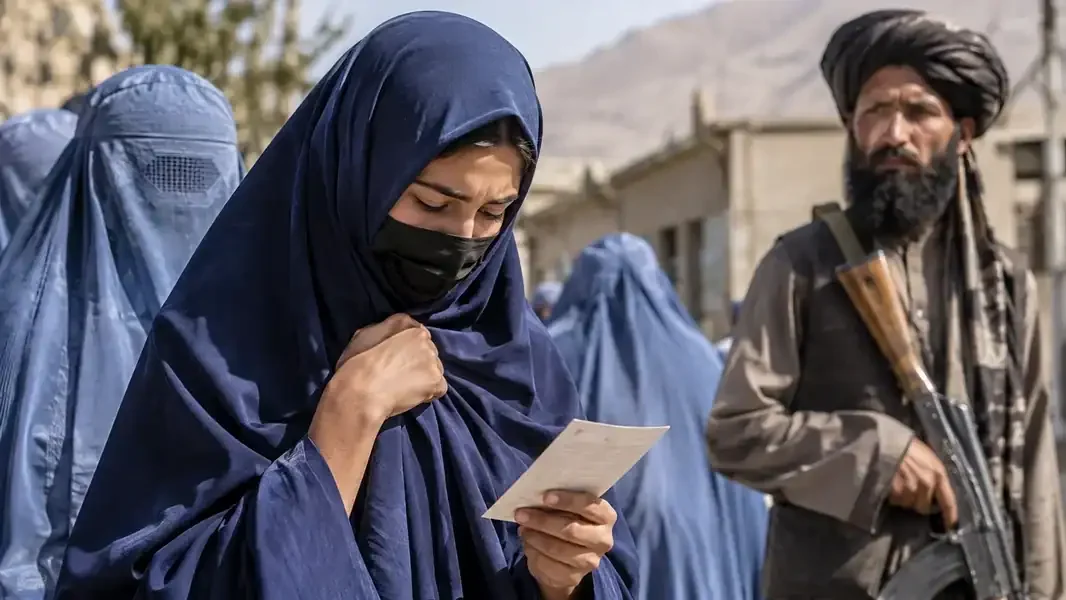
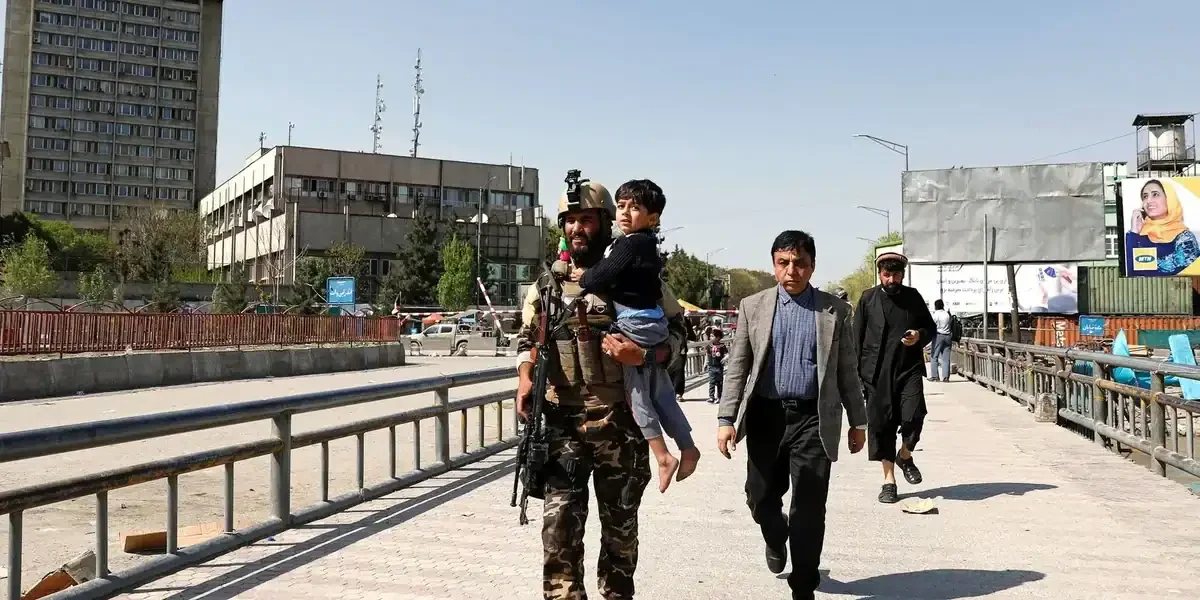
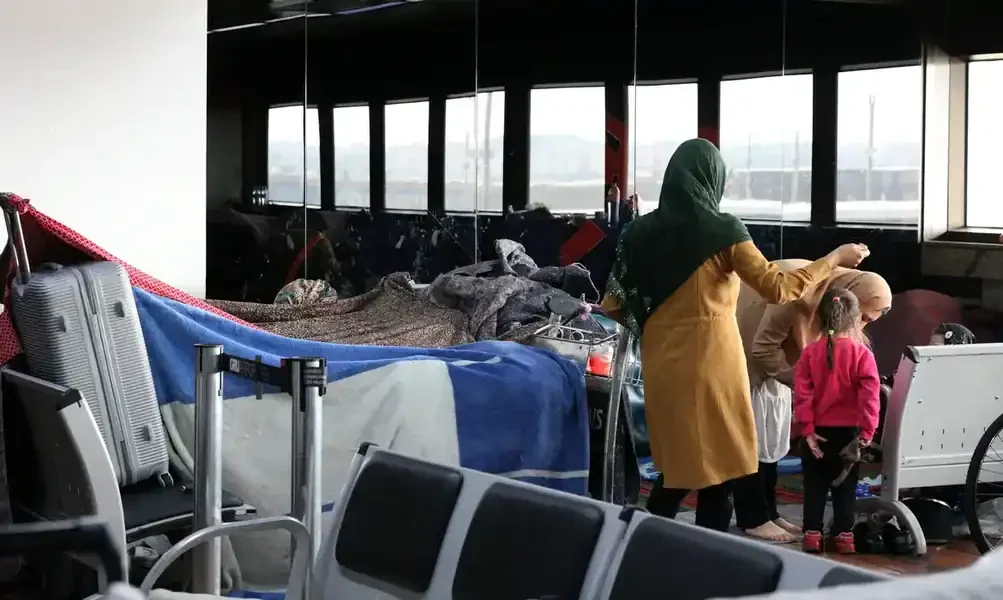
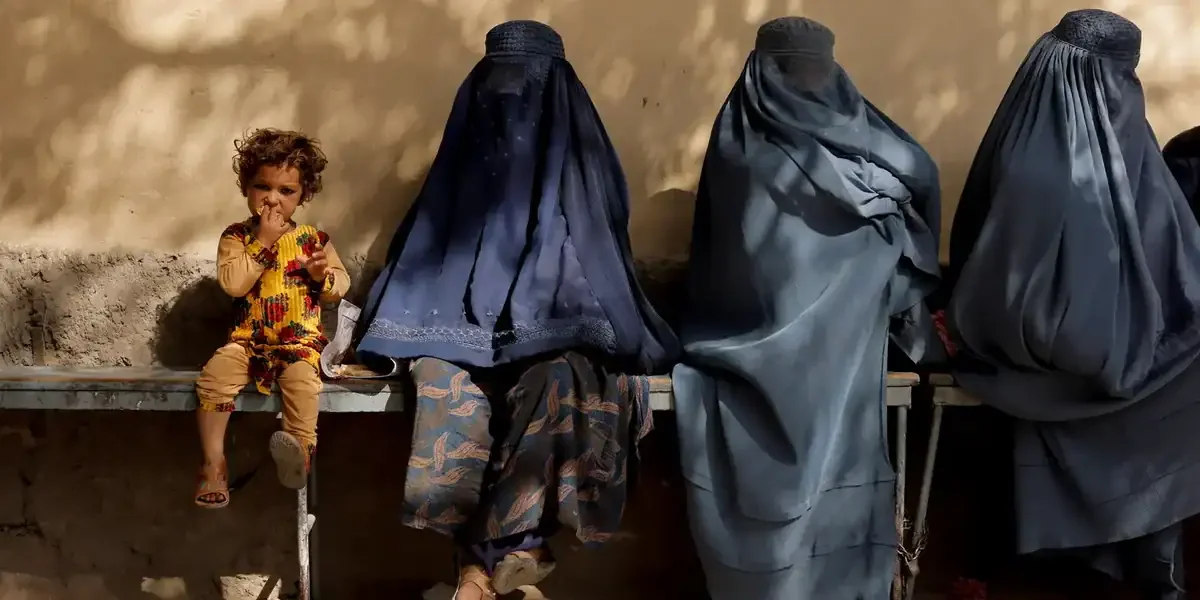
New decrees issued by the Taliban in Afghanistan have placed women in degrading situations and imposed further restrictions on how they are identified. According to reporting by El País, which brought together investigations by The Guardian and the Afghan outlet Zan Times, women in the northern province of Balkh are prohibited from using their own names in official documents. Instead of identifying each woman by her individual name, authorities have directed that they all be called “Bibi,” a term meaning “grandmother” or “elderly woman.”
The measure affects more than the way women are referred to in conversation. It applies to official identification and administrative records, and also affects health documents, including medical records and prescriptions. Those documents are used to identify patients and record information relevant to their care. Replacing individual names with a shared term can therefore make it more difficult to distinguish one person’s records from another’s.
Activists have also reported that some women are identified with derogatory expressions associated with animals, including “goat” and “cow.” These accounts describe a practice that strips women of individual identification in official settings and, in some cases, uses language activists characterize as pejorative. The reports do not indicate that every woman in Balkh is treated in the same way, and the decree’s application in the province is not uniform. But the reported use of “Bibi” and other terms has prompted concern about both women’s status and the practical consequences of the policy.
Afghan activist Lalah Osmany has warned that identifying different patients by the same nickname or by numbers alone could cause confusion in medical care. If patient records do not clearly distinguish people, health professionals could have difficulty matching a person to the correct file, examination, diagnosis or prescription. Osmany’s warning concerns the risk created by the identification system; the material reported does not establish that specific diagnostic or prescription errors have already occurred as a result of the decree.
The issue is especially significant because the restriction reaches medical documentation at a time when women already face obstacles to receiving health care. The reports say women have difficulty obtaining treatment from male professionals. They also say that women’s access to education has been severely limited, including through a ban on attending medical courses. These restrictions can affect both sides of health care: women seeking treatment and women pursuing the education needed to work in the medical field.
The decree is part of a broader set of measures that restrict women’s participation in Afghan society. Since returning to power in August 2021, the Taliban has issued decrees limiting women’s access to education, employment and health care, as well as their ability to move through public spaces. The prohibition on using their own names adds a further constraint to those already affecting daily life. It changes how women are recorded in official and medical settings, in addition to limiting opportunities in other areas.
The reported order in Balkh concerns names in documents, but identification is a practical part of administrative systems. A person’s name can help distinguish an individual from others, connect records to the right person and make information easier to locate. When an authority replaces individual names with a shared label, the records may become less specific. In medical settings, that concern is particularly relevant because patient information is used in connection with consultations, tests and prescriptions.
The reporting also distinguishes between the existence of the order and how consistently it is being applied. Its implementation in Balkh has not been uniform, according to the material cited, and activists fear it could be extended to other regions. That possibility is presented as a concern, not as a confirmed expansion. The information available in the reports describes the current measure in the province and the concern that it could spread beyond it.
The consequences described are therefore both symbolic and administrative. In official records, a woman’s individual name is replaced by a generic term. In health records, the same practice can make it harder to identify a patient clearly. The reports also raise concerns about degrading labels used for some women. Together, these accounts describe a policy that affects personal identification while adding to restrictions on access to public life and services.
The reports do not establish that every document in Balkh has already been changed, nor do they say that every woman is identified in the same way. They describe a prohibition and its reported effects, while noting that implementation is uneven. That distinction matters when describing the scope of the measure: the order has been reported, but the extent to which it is applied across the province varies.
The decree also has implications for record keeping. Administrative and medical documents are used to maintain information about individuals, and clear identification can help keep one person’s information separate from another’s. If multiple people are entered under the same generic term, officials and health workers may have to rely on other details to distinguish their records. The material does not specify what additional details are used, or how records are handled in every case. The concern raised by Osmany is that relying on shared nicknames or numbers could lead to confusion in essential medical processes.
The restriction on names adds another dimension to the limits women face in Afghanistan. Restrictions on education, work, health care and movement affect women’s access to institutions and services; the naming order affects how they are represented within those systems. Its reach into medical files and prescriptions makes the measure relevant not only to personal identity but also to the organization of care.
The reporting by El País, drawing on investigations by The Guardian and Zan Times, describes the rule in Balkh and the concerns raised by activists. The available account emphasizes that the measure has not been applied uniformly and that its extension to other parts of the country remains a fear among activists rather than a confirmed development. Even with that qualification, the reported order represents a further restriction on women’s autonomy and participation in Afghan society.