
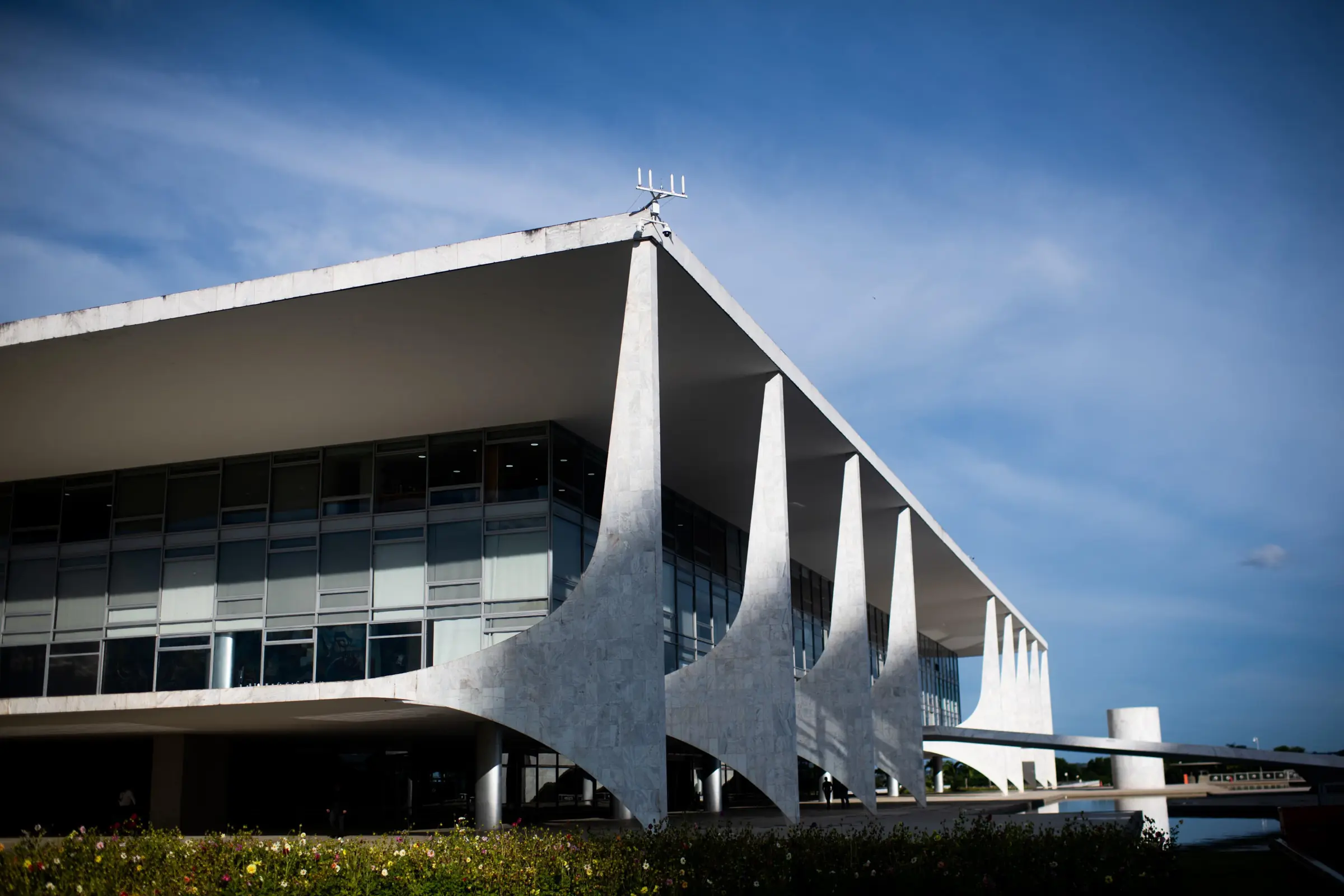
Brazil is preparing a response to a U.S. tariff proposal affecting certain Brazilian sugar products and finished aircraft. (Foto: Instagram)
President Luiz Inácio Lula da Silva’s government views a new U.S. tariff proposal as pressure from the Trump administration and is preparing a statement in response. Announced by the Office of the U.S. Trade Representative (USTR) on Nov. 25, the proposal would affect Brazilian sugar and aircraft. A public comment period is set to remain open through Dec. 30.
The announcement comes as Brazil and the United States negotiate over tariffs Washington has already imposed. In July, the USTR announced two tariff rates on Brazilian products that, combined, could reach 37.5%. Brazil has tried to reverse those additional duties but has not succeeded.
Officials at the Planalto Palace, Brazil’s Ministry of Foreign Affairs, and Ministry of Development, Industry, Trade and Services have been discussing the new proposal since the USTR announcement. Their stated aim is to understand its scope and potential impact. The proposal would revise the Section 301 action that led to the July tariffs.
Under the USTR’s proposal, a 25% tariff on certain raw and refined sugar products would be replaced by an additional specific tariff on certain categories of raw and refined sugar. The USTR also proposed a 10% tariff on imports of finished aircraft from Brazil. The proposal does not specify the amount of the new sugar tariff in the details provided.
Brazilian negotiators say they are waiting for the USTR to send a formal document outlining the U.S. proposal so talks can begin. Brazil is looking to the Trump administration to provide what negotiators describe as a starting point for moving the discussions forward. The government has not yet received the document, and direct negotiations have been largely stalled, according to the account of the talks.
The document’s delivery was reportedly agreed upon during a meeting in July between USTR chief Jamieson Greer and Brazil’s foreign affairs and foreign trade ministers, Mauro Vieira and Marcio Elias Rosa, respectively. The latest U.S. proposal has prompted Brazilian officials to assess the measure while awaiting the formal document needed to resume talks.