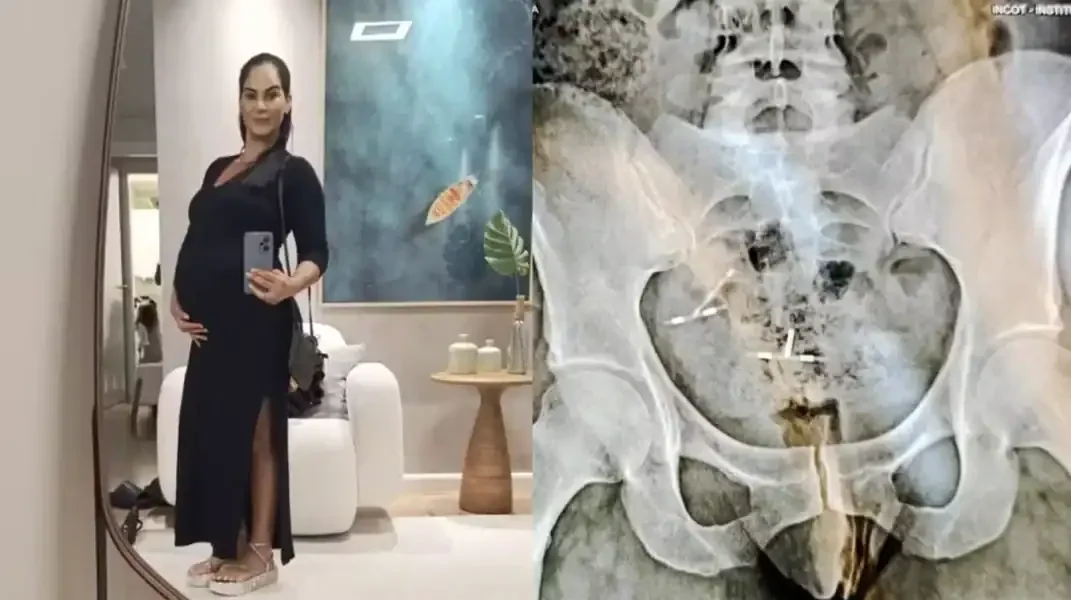

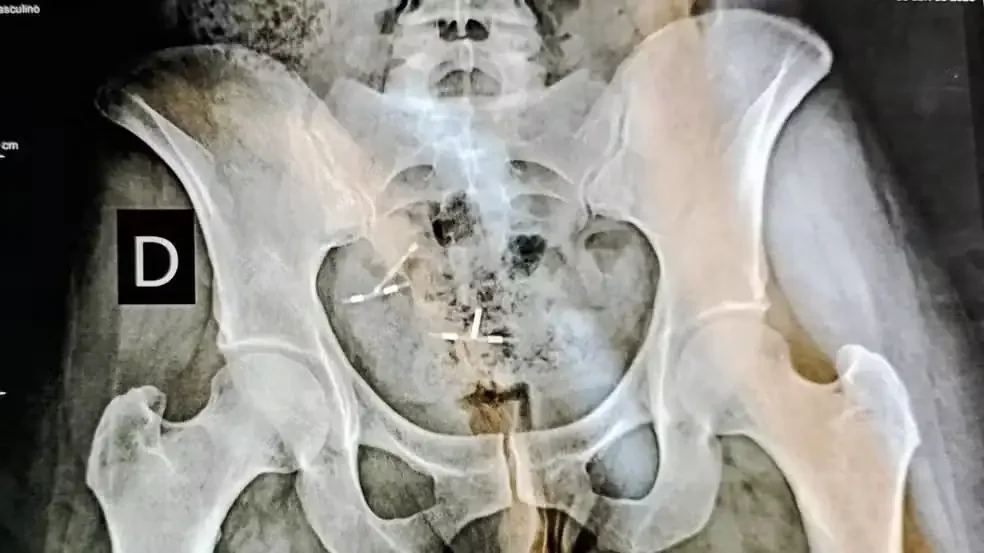
Lorenna Christine Mendes Rocha, a 40-year-old engineer, underwent surgery to remove her uterus, one fallopian tube and part of her small intestine after complications involving two intrauterine devices, or IUDs, in her body. The case occurred in Florianópolis, in the Brazilian state of Santa Catarina. On November 10, the Civil Police opened an investigation into possible negligence in the medical procedures performed on her.
According to information reported by g1, Lorenna received her first IUD in 2024, two months after the birth of her older child. In January 2025, she learned she was pregnant despite using the contraceptive method. Her daughter was born in August of that year. After the birth, Lorenna underwent an ultrasound examination that did not identify the device.
“He [the doctor] did a quick exam and said the IUD had come out, and I hadn’t realized that the device was no longer inside me,” she said. The account of that examination and the information Lorenna says she received about the first device are part of the sequence of events now under review.
In October 2025, Lorenna had a second IUD inserted at the same health care facility. In the months that followed, she began experiencing pain and continuous vaginal bleeding. At first, the symptoms were associated with the body’s adjustment to the contraceptive method.
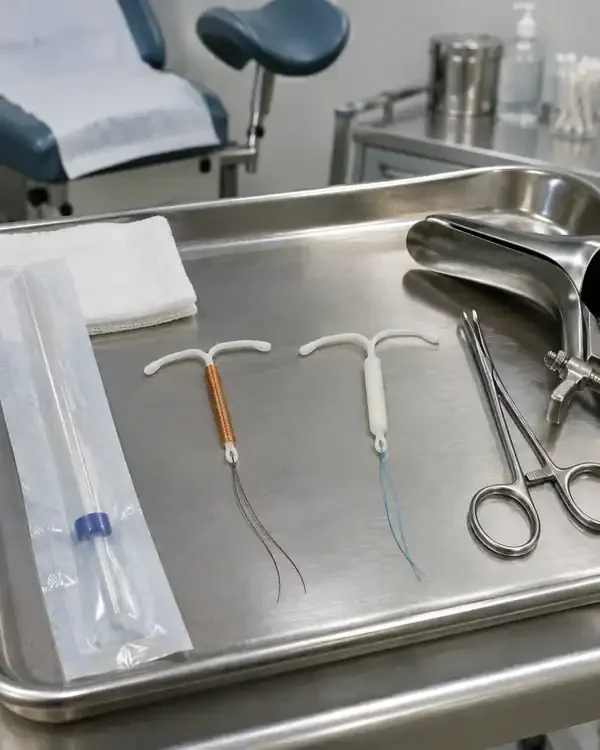
IUDs are devices placed inside the uterus for contraception. Their presence and location are relevant to assessing how they are working and to investigating symptoms. In Lorenna’s case, the later examinations found two devices in different locations: one in the uterus and another near the small intestine. The information available in the report does not establish precisely how or when the second device reached that location.
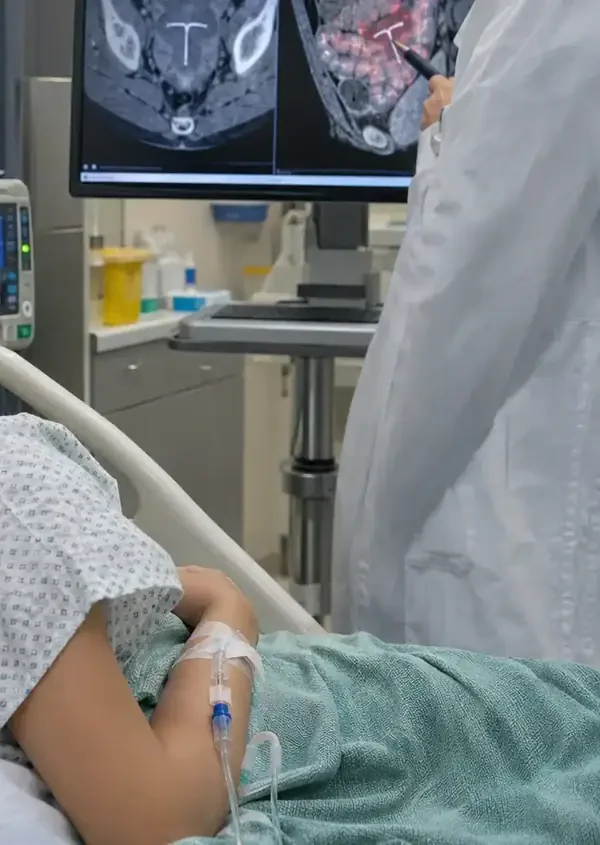
In March 2026, Lorenna sought hospital care after developing pain and a fever. Examinations found that one of the devices was inside the uterus, while the other had migrated to the area of the small intestine. The device outside the uterus was associated with inflammation and a perforation in the organ, according to the report.
An IUD’s location can be assessed as part of a medical examination when a patient has symptoms or when there is uncertainty about whether the device remains in place. In this case, the earlier ultrasound after the birth of Lorenna’s daughter did not identify the first device, while examinations during the hospital investigation in March 2026 identified two devices in separate locations. The difference between those findings is among the circumstances that the investigation may examine; the published account does not provide a final determination about what happened during each procedure.
Lorenna underwent surgery to remove her uterus, one fallopian tube and part of her small intestine. A medico-legal report obtained by g1 classified the injury as extremely serious. According to the report, the consequences included loss of reproductive function and permanent impairment of intestinal function.
The surgery and its consequences affected both her physical health and her family life. Lorenna said that motherhood had always been a dream for her and that she felt deeply saddened by the loss of her uterus, a fallopian tube and part of her intestine. She also described the difficulties of recovering while caring for two young children.
“Motherhood was always a dream for me, which is why I never gave up. I felt very saddened to have lost my uterus, to have lost my fallopian tube, part of my intestine. […] Recovery is not easy. Having two babies at home and having gone through all of this was not easy either,” she said.
The case also has an administrative and investigative component. Lorenna has pointed to possible failures involving seven health care professionals. The Regional Council of Medicine of Santa Catarina, known by its Portuguese initials as CRM-SC, said the complaint is being handled confidentially. The Florianópolis Municipal Health Department said the matter is being reviewed by the responsible teams and that it will cooperate with the investigations.
The police inquiry is intended to investigate possible negligence in the medical procedures. Its opening does not, by itself, establish that negligence occurred or determine responsibility. The medical council’s confidential review and the municipal health department’s assessment are separate elements of the response described in the report. The available information does not include a final conclusion from those processes.
The chronology described by Lorenna and reported by g1 includes several points that investigators and health authorities may need to assess: the placement of the first IUD in 2024; the pregnancy discovered in January 2025; the ultrasound after her daughter’s birth in August; the second IUD placement in October; the pain and bleeding that followed; and the hospital examinations in March 2026. The account also documents the serious physical consequences and surgery. The review is expected to consider the procedures and care provided, while the outcome remains pending.
Lorenna said the experience brought emotional and financial consequences for her family as well as physical ones. She described her present feelings as a mixture of relief at surviving and concern that other women’s pain may not receive adequate attention. Her comments focus on the need for symptoms to be heard and investigated responsibly, rather than on a finding about the conduct of any individual professional.
“Today, what remains is the relief of being alive and being able to watch my children grow up, but also the wish that my account serves as a warning so that women’s pain is heard more and investigated responsibly,” she said.
The case has drawn attention to the importance of documenting symptoms and examining uncertainty about an IUD’s location, especially when a patient reports ongoing pain or bleeding. That general context does not determine what caused Lorenna’s injuries or resolve whether any procedure was improperly performed. Those questions are for the relevant investigations and reviews.
For Lorenna, the consequences described in the medical-legal report are lasting: she lost reproductive function and has permanent intestinal impairment. Her account also underscores the demands of recovery while caring for her two children. The Civil Police inquiry, the confidential complaint before CRM-SC and the municipal health department’s review remain the formal processes identified in the report. No final findings from those processes were included in the available account.