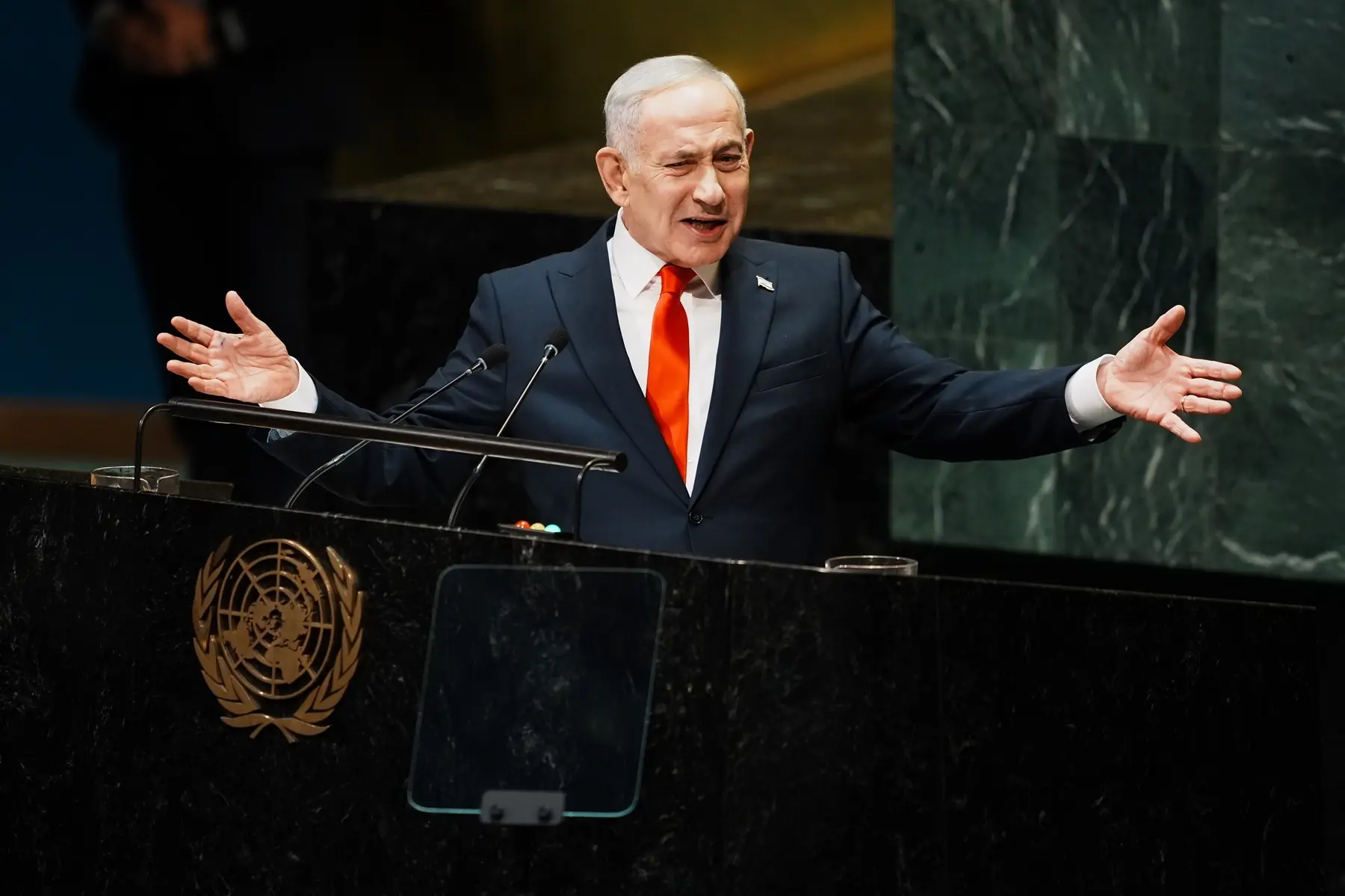
Israeli Prime Minister Benjamin Netanyahu acknowledged that his party lost the election on Wednesday, Nov. 18, and called for political unity. (Foto: Instagram)
Israeli Prime Minister Benjamin Netanyahu acknowledged on Wednesday, Nov. 18, that his party had lost the election, marking a shift in his response to a vote that left no political bloc with a parliamentary majority. Netanyahu’s group won 53 of the Knesset’s 120 seats, and negotiations with other parties over support for a possible return to office have faced obstacles, giving the opposition an opening.
Netanyahu spoke hours after the Knesset elected Matan Kahana as its speaker. Kahana is an ally of Gadi Eisenkot, Netanyahu’s main political rival, whom Israel’s president selected to try to form a new government.
“The election results are not what I wanted, and they are not what others wanted, but the people are now saying: unite,” Netanyahu told journalists in a statement in Hebrew.
The remarks represented a change in tone after Netanyahu accused the election of fraud when the results showed he had lost his parliamentary majority. Authorities have not dismissed the suspicions, according to the report. Netanyahu has also called for political parties to unite, seeking to build a majority that would allow him to remain in power. He has tried to assemble a bloc that includes Eisenkot, although the two disagree over who should lead a potential coalition.
Eisenkot, meanwhile, faces internal resistance because he depends on support from Arab parties to secure a majority and become prime minister. His opposition group won 48 seats, while parties representing Israel’s Arab minority secured the remaining 19. Neither of the two leading blocs reached the 61 seats needed for a majority.
Israeli voters do not directly elect the head of government. They vote for party lists, and the country is led by the person able to gather enough parliamentary backing to form a coalition. When no bloc commands a majority, the president decides which candidate for prime minister will have the opportunity to form a government. The president does not necessarily have to choose the candidate whose bloc won the most seats, but may select the one considered most likely to secure the necessary support.