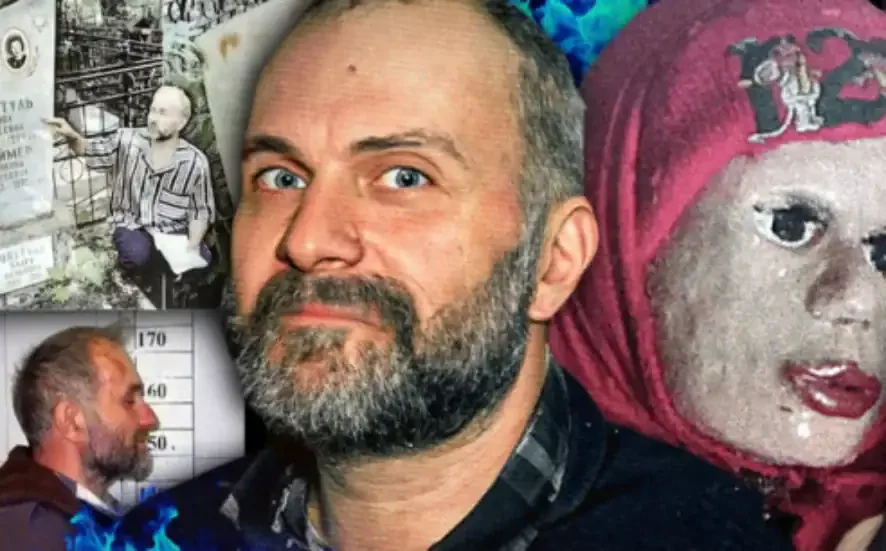



A case discovered in Russia in 2011 shocked authorities and drew international attention because of the disturbing circumstances. Historian and philologist Anatoly Moskvin was arrested in November of that year in Nizhny Novgorod, after police searching his apartment found dozens of preserved bodies that he had arranged to look like life-size dolls.
Investigators found between 26 and 29 bodies and human remains belonging to girls and young women. The reported ages ranged from 3 to 25. The accounts provide a range rather than one confirmed total, so the number is best described as between 26 and 29. The discovery raised questions about how the remains had been taken from cemeteries and brought into a private residence, as well as how they had been kept there over a period of years.
According to the investigation, Moskvin removed bodies from cemeteries in the surrounding area and transported them to his home. Reports about the case said that he used substances including salt and baking soda in efforts to preserve the remains. The available account does not provide a detailed description of each procedure or identify which substances were used on particular bodies. It does, however, describe an effort to keep the remains intact and alter their appearance.
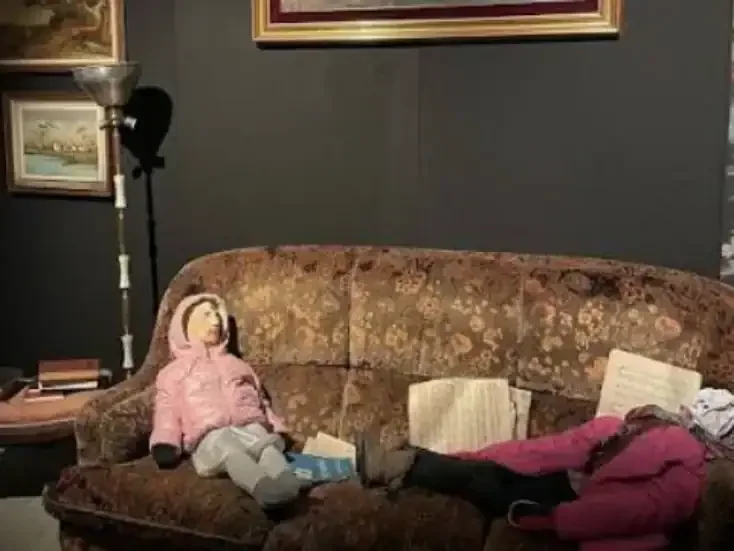
Moskvin then dressed the bodies in women’s clothing and added wigs and makeup. In some cases, he changed the appearance of the faces, using buttons in place of eyes or covering parts of the face with fabric. The reported purpose of these alterations was to make the bodies resemble dolls. The bodies’ presentation, rather than simply their presence in the apartment, became one of the most striking aspects of the case.
The investigation also described behavior that went beyond the physical preparation of the remains. Moskvin reportedly treated what he called his dolls as if they were companions. He spoke to them and organized birthday celebrations. These details formed part of the picture investigators encountered in the residence and contributed to the public response after the case became known.
The discovery prompted shock among local residents and questions about how such a large number of remains could have been kept in a home for so long. The account of the case does not explain in detail how each cemetery removal occurred, how the remains were transported, or what circumstances allowed the activity to continue over several years. It therefore establishes the broad outline of the investigation without providing a complete chronology of every event.
Some distinctions help clarify the language used in accounts of the case. Preservation refers generally to efforts to slow or prevent the deterioration of biological material. Mummification is a form of drying that can occur through different processes; the case reports describe Moskvin using materials such as salt and baking soda, but do not supply enough information to determine the precise technical process for every set of remains. The word “doll” describes the appearance he tried to create and the way he reportedly referred to the bodies. It does not change the fact that the objects found by police were human remains.
The case also involved separate investigative, medical and judicial questions. An investigation can establish what was found and gather information about how it came to be there. A medical assessment can examine a person’s mental condition. A court’s decision about criminal responsibility is a legal determination, distinct from the description of the conduct itself. In Moskvin’s case, accounts say he underwent medical evaluations after his arrest and was diagnosed with schizophrenia. Russian authorities considered him legally not responsible for the acts and ordered compulsory psychiatric treatment instead of a sentence in an ordinary prison.
That outcome did not mean the discovery was treated as insignificant. Rather, the legal response described in the reports reflected the authorities’ determination about Moskvin’s mental condition and responsibility. Compulsory psychiatric treatment is different from ordinary imprisonment: the account identifies treatment as the measure ordered, rather than a conventional prison sentence. It does not provide further details about the treatment plan, its duration, or later medical evaluations.
The case’s notoriety stems from several elements reported together: the number of remains, the ages of the victims, their removal from cemeteries, the attempts to preserve them and the doll-like presentation inside a home. Each element raised a different issue. The cemetery removals concerned the handling of human remains; the apartment discovery concerned how they were stored; and the medical and judicial proceedings addressed Moskvin’s condition and legal responsibility. Keeping these aspects distinct helps explain why the case was discussed both as a criminal investigation and as a matter involving mental health.
The reported count—between 26 and 29—also illustrates why descriptions of the discovery can vary. Accounts may refer to bodies and remains together, rather than to a single uniform category. The supplied reporting does not explain the exact reason for the range, so it would be inaccurate to state one number as definitive. Similarly, while reports describe the use of salt and baking soda, they do not offer a full technical inventory of the preservation process.
The episode remains one of the most disturbing cases recorded in Russia in the account provided. Its central facts are the 2011 discovery in Nizhny Novgorod, the remains found in Moskvin’s apartment, the reported removal of bodies from nearby cemeteries, and the presentation of the remains as life-size dolls. The subsequent diagnosis of schizophrenia and the order for compulsory psychiatric treatment shaped the judicial outcome. Together, these details explain why the case continued to draw attention: it involved not only an unusual and unsettling discovery, but also questions about cemetery security, the handling of human remains and the role of mental-health assessments in legal proceedings.