France accused Iran of a cyberattack that disrupted refrigeration systems at about 700 supermarkets and spoiled food. (Foto: Instagram)
France accused Iran on Monday, Nov. 9, of being behind a cyberattack that targeted supermarket refrigeration systems in October and caused large food losses at about 700 stores. The French government said it plans to pursue sanctions against Tehran at the European level in response.
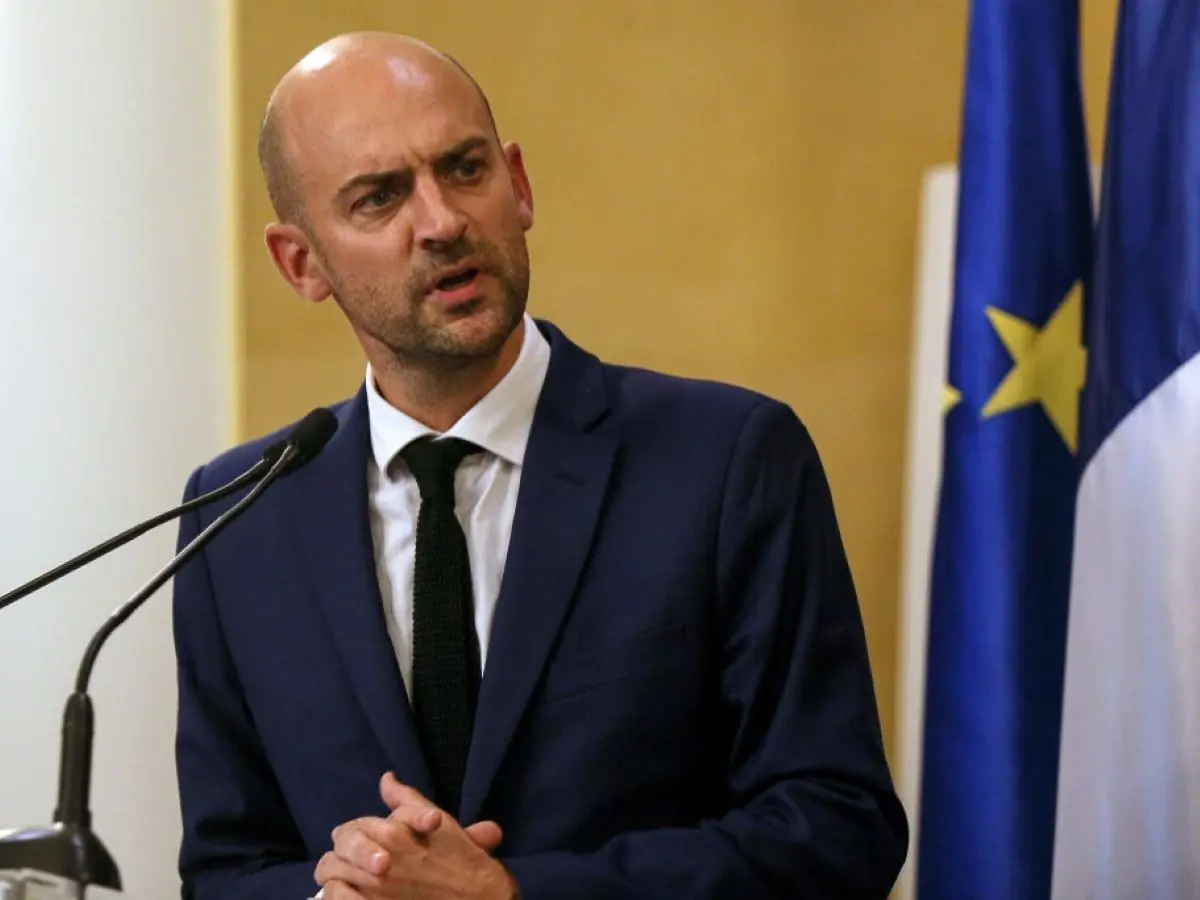
Foreign Minister Jean-Noël Barrot called the incident unprecedented in scale and aggressiveness, and described it as the first major cyberattack carried out with the aim of sabotage on French territory. “This represents a serious attack on the nation’s interests and the security of the French people,” Barrot said. He said France had summoned Iran’s ambassador in Paris and would coordinate possible retaliatory measures with other European countries.
Investigators say the attackers remotely accessed supermarket refrigeration systems and raised the temperatures of refrigerators and freezers by activating defrost cycles. The disruption compromised the storage of fresh and frozen goods, and equipment at some stores caught fire. The Paris prosecutor’s office took over the investigation and attributed the operation to Iran based on technical evidence, including the use of Persian and internet protocol addresses linked to devices in Iran.
French prosecutors also opened an investigation into Shahid Kaveh, head of a cyber unit affiliated with the Islamic Revolutionary Guard Corps, his two deputies and other possible participants. The authorities’ attribution is based on evidence identified during the inquiry.
Similar incidents were reported at supermarkets in Belgium and Sweden in recent weeks, but authorities have not confirmed that the attacks are connected. Some refrigeration units reportedly reached temperatures as high as 50 degrees Celsius, making it impossible to keep perishable food properly preserved. Reports indicate the intruders may have disabled alarms before changing thermostat settings or extending defrost cycles for several hours. The national cybersecurity agencies in both countries said they are monitoring the incidents.
Danish company Danfoss, which specializes in refrigeration, heating and industrial automation technologies, said it had identified security vulnerabilities in the systems the previous year and had recommended installing updates to address the flaws. Despite similarities in how the incidents were carried out, authorities have not established a link among the attacks in France, Belgium and Sweden.