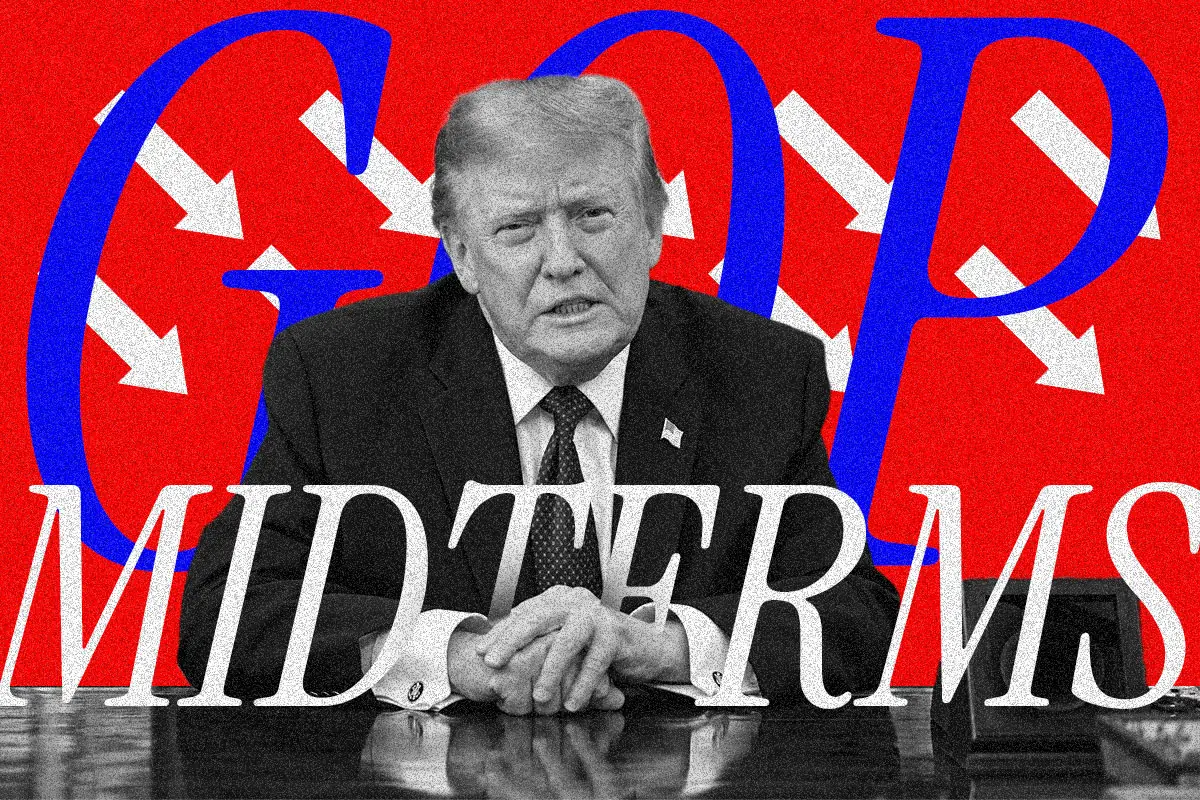
Democrats won control of both chambers of Congress in the Nov. 3 midterm elections, setting up increased scrutiny of President Donald Trump’s administration. (Foto: Instagram)
Democrats won control of both chambers of the U.S. Congress in the midterm elections held Tuesday, Nov. 3. The result shifts power in the legislature and marks a political setback for President Donald Trump, who will face a stronger opposition during the final two years of his term. With majorities in the House and Senate, Democrats will have more leverage to scrutinize the Republican administration, investigate government actions and complicate the passage of legislation and presidential nominations.
Control of congressional committees will allow Democrats to set investigative priorities, call government officials to testify and request documents related to the Trump administration. One tool available to lawmakers is the subpoena, which can require individuals, companies and organizations to provide information or respond to questions as part of an inquiry. The new Congress is set to take office in January 2027, when those oversight powers will take effect. The Senate may also turn to the courts to seek enforcement of subpoenas.
Potential subjects for investigations include Trump’s projects, allegations of illicit enrichment involving the president and his family, the war in Iran, immigration policy and budget cuts made by DOGE in 2025. Artificial intelligence and accessibility issues could also be taken up. These are possible areas of inquiry; the election result itself does not establish wrongdoing. The expanded oversight could increase political pressure on the White House and require Trump to negotiate with Democrats to advance parts of his legislative agenda.
The Democratic majority in the Senate is also likely to affect presidential appointments. The Senate considers and confirms presidential nominees to senior government and judicial posts, including Cabinet positions, federal judgeships and seats on the Supreme Court. Democratic lawmakers could use that confirmation role to resist nominees or delay decisions, potentially requiring Trump to negotiate with opposition lawmakers before moving forward with choices for key positions.
The election does not, however, give Democrats enough power to impose every decision on the president. The Constitution allows Congress to override a presidential veto, but doing so requires support from two-thirds of members present in both the House and Senate. Democrats did not win that threshold, so they would need votes from Republicans to overcome any vetoes Trump issues.
In an election-night interview with Politico, Trump acknowledged that a Congress controlled by his opponents could make it harder to advance his priorities. He said he had the right to veto legislation passed by Democrats, but that he did not want to spend the next two years blocking bills. His remarks differed from an earlier statement in which he suggested he could become “Mr. Veto” if the opposition controlled the legislature.